

Engine Room Essentials: Centek Marine Exhaust Systems and Ventilation
When people think about engine room problems, they usually think about the symptom first.
The engine room runs too hot. The vessel is louder than expected. Corrosion is showing up too early. Moisture is getting where it should not. Airflow feels inadequate. Exhaust routing is tighter than it looked on the drawing. Maintenance becomes harder. Components wear faster. The crew notices discomfort before anyone notices the underlying cause.
That is usually how these issues show up in the real world.
What is less obvious is that these problems are rarely caused by just one isolated decision. In most cases, they are the result of how multiple systems interact inside the same space. Airflow affects heat. Heat affects equipment life. Moisture affects corrosion. Exhaust routing affects sound, temperature, and serviceability. Fire protection affects how ventilation openings are designed and managed. A good engine room depends on getting those relationships right.
That is why marine exhaust systems and ventilation systems should not be thought of as separate conversations.
They are part of the same engine room picture. For this reason, we have launched a new video series title Engine Room Essentials.
Why this topic matters
A well-designed engine room has to do several things at once. It has to move air where it is needed. It has to handle exhaust safely and efficiently. It has to manage heat. It has to protect people and nearby spaces. It has to hold up over time in a marine environment that is inherently harsh.
That is a lot to ask from one space.
It is also why OEMs, Naval Architects, and other boat builders are not usually looking for a single product in isolation. They may think they are searching for a muffler, a fan, a fire damper, or a moisture-control device. But what they are really trying to solve is a broader engine room challenge.
What Engine Room Essentials is meant to do
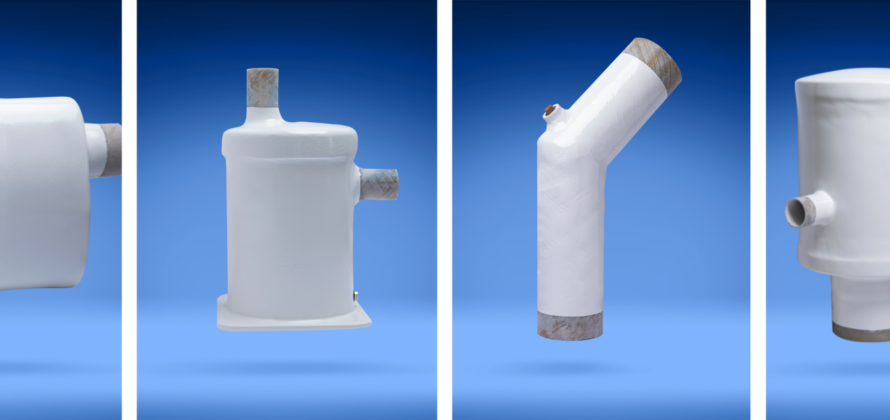
Our new series, Engine Room Essentials, was created to make that bigger picture easier to understand and then explain which design choices and product groups can solve it more effectively. Since 1962, the company has built its reputation around solving marine engine room challenges. And while many people know Centek as the “muffler company,” given our legacy as a pioneer in the field with our fiberglass mufflers, over time, that scope has expanded. But today, we are much more than the sum of our parts. In 2021, we acquired Delta-T Systems, which added a breadth of ventilation product offerings to our customers. And with the addition of Viking Marine Exhaust in 2023, we were able to offer full exhaust systems. That broader portfolio matters because OEMs, Naval Architects, Refitters, shipyards, marinas, and boat builders do not experience the engine room as separate product catalogs. They experience it as one working environment.
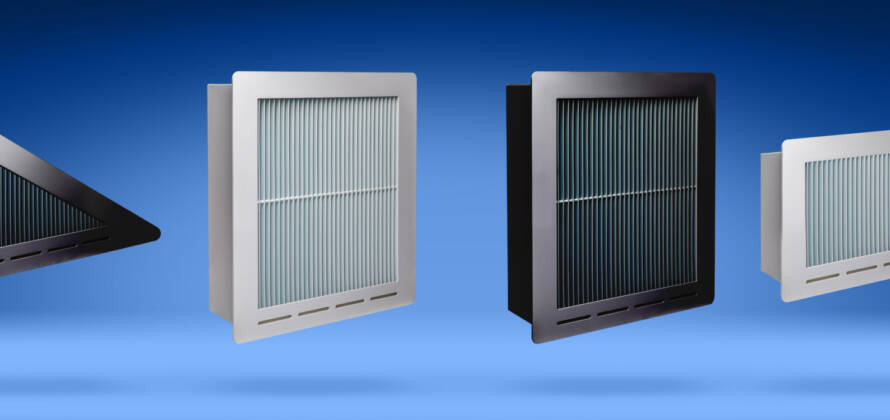
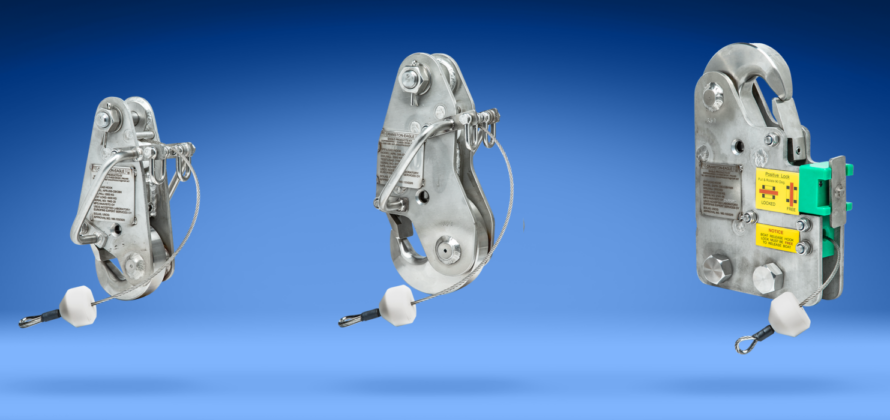
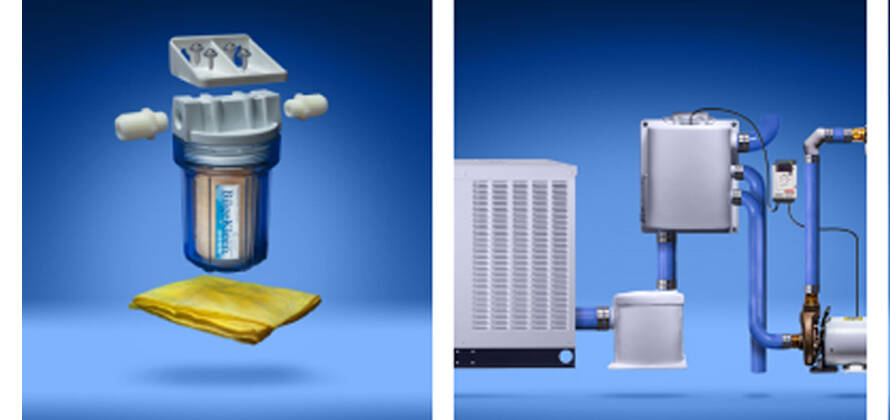
And today, Centek can address that environment across more categories than ever. The Delta-T Systems side of the portfolio includes marine fans and blowers, premium axial ventilation fans, A60 rated fire dampers, moisture-management products, and ventilation control systems. On the exhaust side, Centek has a broad range of exhaust products and the ability to design and manufacture complete systems.
That combination gives Centek something valuable: the ability to talk about the engine room as a system, not just as a list of individual parts. We work best when we’re able to act as a partner who can help think of all possible challenges and offer solutions before they arise.
What you can expect from this series
Engine Room Essentials is not meant to be a series of lightweight product summaries. It is meant to be practical. You can expect posts – and accompanying videos – that explain:
- what problem a given system is solving
- where common specification mistakes happen
- what tradeoffs matter when evaluating solutions
- how different product categories compare
- where Centek solutions stand out in real marine use
That means future posts may focus on questions like:
- What causes poor airflow in an engine room?
- When is a compact blower enough, and when is a more engineered ventilation system needed?
- What does an A60 rated fire damper actually do, and why does certification matter?
- How do mist eliminators and moisture rejection closures protect engine room equipment?
- What makes one muffler family a better fit than another?
Those are the questions we get from our actual customers, so we’re hoping they can help you, too. And with decades of real-world engine room experience give it something our peers many cannot claim: context.
That is what Engine Room Essentials is meant to deliver.
FAQ
What is Engine Room Essentials?
Engine Room Essentials is a Centek Marine content series designed to explain common engine room challenges and the product groups that help solve them, beginning with the broader operating issue before moving into specific solutions.
Who is this series for?
It is intended for vessel owners, builders, engineers, naval architects, OEMs, shipyards, refitters, and others who need a clearer understanding of marine exhaust systems, marine ventilation systems, and related engine room products.
Will this series only talk about Centek products?
No. The series is designed to start with the general challenge first. The goal is to educate you on the broader issue, then explain how Centek solutions fit within the broader context.
What topics will the series cover?
Topics will include marine exhaust systems, engine room ventilation, fans and blowers, fire dampers, moisture management, mufflers, and other engine room essentials that affect performance, safety, and durability.
If there is a product group or engine room topic you would like to understand better, follow the Engine Room Essentials series as we break down the system decisions, tradeoffs, and product categories that matter most on board.