

Signs Your Boat Exhaust System Needs Immediate Repair
A well maintained exhaust system is essential for the safe and efficient operation of any vessel. Boat exhaust systems are responsible for removing harmful gases, controlling engine temperature, and reducing noise produced during engine operation. When these systems start to fail, they can affect the performance of the engine and the safety of everyone on board.
Marine exhaust equipment operates in challenging conditions. Continuous exposure to heat, moisture, saltwater, and vibration gradually wears down components. Parts such as marine exhaust elbows, wet exhaust mufflers, and ventilation systems must work together to manage exhaust gases and engine heat effectively.
For many boat owners, problems begin with small warning signs such as unusual engine noise, smoke from the exhaust outlet, or increasing engine temperature. Recognizing these signs early allows timely inspection and repair before the situation becomes serious. This guide explains how marine exhaust systems work, the symptoms of failure, and why regular maintenance is important.
Understanding How Boat Exhaust Systems Work
Unlike automotive exhaust systems, marine exhaust systems must handle both exhaust gases and cooling water. In most vessels, water is introduced into the exhaust line to reduce temperature and minimize noise.
A typical marine engine exhaust system includes several interconnected components.
Exhaust Risers and Elbows
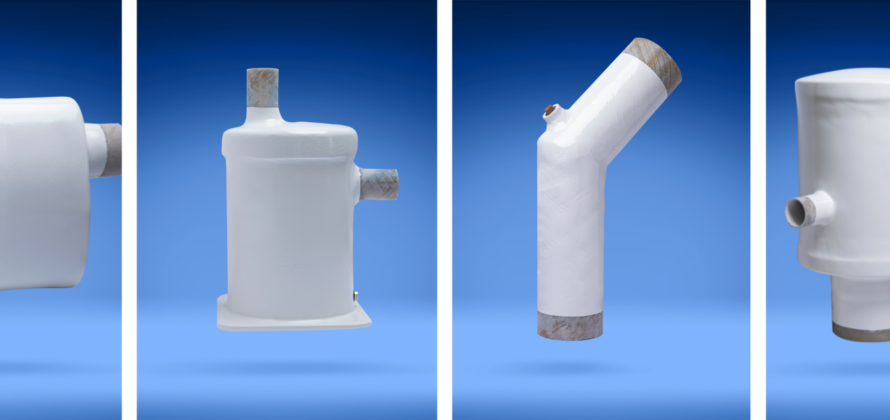
Exhaust gases leave the engine through manifolds and pass through risers and elbows. Components such as marine exhaust riser design structures and fiberglass marine exhaust elbows direct the exhaust flow away from the engine.
These parts must withstand high heat and constant exposure to moisture. If corrosion or blockage occurs, engine performance may decline.
Mufflers and Silencers
Mufflers reduce the noise created by engine exhaust. Common examples include Centek mufflers, Centek Marine mufflers, and various marine silencer exhausts designed specifically for marine environments.
Silencers such as a marine dry exhaust silencer or marine generator exhaust silencer are often used to control sound levels in engine rooms or generator compartments.
Wet Exhaust Systems
Many boats use marine wet exhaust systems, which mix water with exhaust gases before releasing them through the hull. Devices like a marine wet exhaust muffler or water exhaust muffler cool the gases and help reduce vibration and noise.
These systems are common in boat wet exhaust systems, especially in smaller recreational vessels.
Exhaust Outlets
The exhaust eventually exits through a thru hull exhaust system, which safely releases gases into the surrounding water. Proper installation is critical to prevent water from flowing back into the engine.
Ventilation Systems
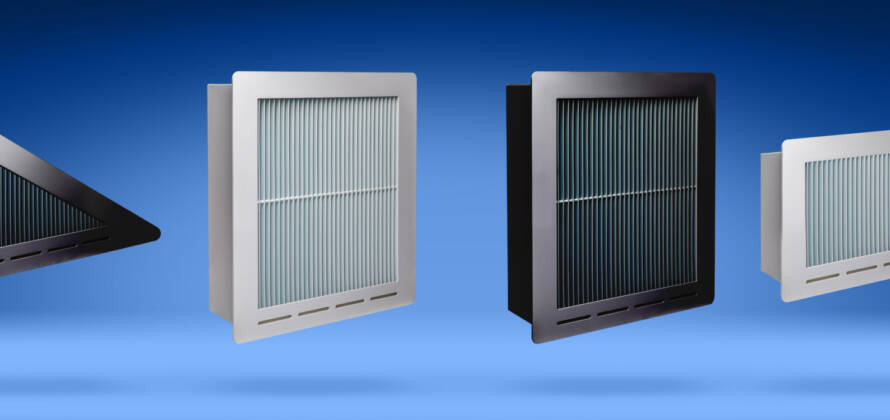
Exhaust systems work alongside marine ventilation systems to keep engine rooms safe. Ventilation equipment such as marine ventilation fans, marine blower fan, and ventilation blowers removes heat and fumes from enclosed areas.
Without proper ventilation, exhaust gases and heat can build up quickly.
Common Warning Signs of Exhaust System Problems
Marine exhaust components rarely fail without warning. Several symptoms indicate that the exhaust system may require inspection or repair.
Smoke from Exhaust Outlets
One of the most noticeable signs of a problem is excessive smoke from exhaust outlets.
While a small amount of vapour is normal, heavy smoke can indicate issues such as:
- Restricted airflow within the exhaust piping
- Damage in the wet exhaust muffler
- Cooling water imbalance in marine wet exhaust systems
- Problems within the marine engine exhaust system
Changes in smoke colour or thickness should always be investigated.
Engine Overheating
A rising engine temperature can also point to problems within boat exhaust systems.
Water cooled exhaust components help regulate engine heat. If these parts become blocked or damaged, cooling efficiency drops and overheating may occur.
Possible causes include:
- Blocked marine exhaust elbows
- Corrosion in exhaust risers
- Obstructions in a thru hull exhaust system
- Damage in custom marine exhaust piping
Overheating should never be ignored because it can quickly lead to engine failure.
Unusual Engine Noise
If the engine suddenly becomes louder than usual, muffler or silencer components may be damaged.
For example:
- A cracked water exhaust muffler may fail to dampen sound
- Faulty marine silencers exhausts can produce rattling noises
- A damaged marine generator exhaust silencer may increase generator noise
Noise changes are often an early sign that internal components are deteriorating.
Exhaust Leak Symptoms Boat Owners Should Know
Exhaust leaks are among the most serious issues affecting marine engines. Even a small leak can allow exhaust gases to enter the engine compartment or cabin.
Typical exhaust leak symptoms include:
- Strong exhaust smell inside the vessel
- Soot deposits near exhaust joints
- Hissing sounds from piping connections
- Reduced engine performance
Leaks may occur in components such as marine exhaust reducer fittings, elbows, or joints in custom marine exhaust elbows.
Prompt repair is important to prevent exposure to harmful gases.
Signs of Wear in Marine Exhaust Components
Many exhaust components are exposed to high temperatures and saltwater. Over time, this environment leads to corrosion, cracks, or internal blockages.
Exhaust Elbows and Connectors
Parts such as boat exhaust elbow, marine exhaust elbows, and fiberglass elbow fittings can gradually deteriorate.
Common issues include:
- Corrosion from seawater exposure
- Carbon buildup inside the piping
- Loose clamps or mounting hardware
If these components fail, exhaust gases may not flow properly.
Mufflers and Noise Control Devices
Mufflers are designed to handle constant pressure and vibration. Components such as centek marine mufflers or other marine silencers exhausts may develop structural cracks or internal damage.
In generator systems, a muffler for generator quiet operation may lose effectiveness if internal chambers break down.
Exhaust Piping and Connectors
Exhaust piping and connectors like a marine exhaust reducer also experience wear.
Signs of damage include:
- Visible corrosion
- Exhaust gas leaks
- Loose connections between sections
When these components weaken, they can affect the entire marine exhaust systems network.
The Importance of Marine Ventilation Systems
Exhaust systems work closely with ventilation systems in the engine compartment. Marine ventilation systems remove hot air and fumes produced during engine operation.
Key ventilation equipment includes:
- Marine ventilation fans
- Marine vent fan units
- Marine blower fan installations
- Ventilation blowers
These devices support engine ventilation system performance by maintaining proper airflow.
Engine Room Ventilation Problems
If the engine room ventilation system fails, several issues may occur:
- Heat accumulation around the engine
- Poor air circulation
- Increased presence of exhaust fumes
Equipment such as a blower fan for boat engines or marine engine blower units should be inspected regularly to ensure proper function.
Conclusion
The reliability of boat exhaust systems is essential for both engine performance and onboard safety. These systems remove harmful gases, control engine temperature, and reduce noise while operating in harsh marine conditions.
Over time, components such as marine exhaust elbows, wet exhaust mufflers, silencers, and ventilation equipment may begin to deteriorate. Warning signs such as smoke from exhaust, engine overheating, unusual noise, and clear exhaust leak symptoms often indicate that repairs are required.
Routine inspection and maintenance help ensure that marine exhaust components continue to function correctly. When problems are addressed early, boat owners can prevent engine damage, reduce safety risks, and maintain reliable performance on the water.
Frequently Asked Questions
What are the most common issues with boat exhaust systems?
Common problems include exhaust leaks, blocked piping, corrosion in marine exhaust elbows, and damaged wet exhaust mufflers. These issues may lead to overheating, smoke, or unusual engine noise.
How often should marine exhaust systems be inspected?
Most experts recommend inspecting marine exhaust systems at least once a year or before the start of each boating season. Boats used frequently or in saltwater environments may require more frequent inspections.
What causes smoke from boat exhaust systems?
Excessive smoke from exhaust outlets may occur due to blocked exhaust passages, cooling water imbalance in marine wet exhaust systems, or internal engine problems affecting exhaust flow.
Why is engine room ventilation important for marine exhaust systems?
Proper airflow from marine ventilation systems helps remove heat and fumes from the engine compartment. Equipment such as marine ventilation fans and ventilation blowers supports safe engine operation.
When should a marine exhaust system be repaired or replaced?
Repairs are necessary when signs such as exhaust leaks, overheating, or damaged components appear. Severely corroded piping, cracked mufflers, or failing custom marine exhaust elbows may require replacement rather than repair.