





Top Marine Exhaust Systems for Performance & Noise Reduction
These systems play a critical role in vessel performance, onboard comfort, and long-term engine reliability. Beyond directing exhaust gases away from the engine, these systems manage temperature, reduce noise, control emissions, and protect surrounding components from heat and corrosion.
For yacht builders, marine engineers, and mechanics, understanding how different marine exhaust systems function is essential when designing or maintaining efficient propulsion and generator setups. From wet exhaust mufflers and custom marine exhaust elbows to superyacht exhausts and marine ventilation systems, each component contributes to a safe and balanced marine engine exhaust system.
This guide explores marine exhaust systems in detail, compares common configurations, and explains how noise reduction and performance optimization are achieved in modern marine applications.
Understanding Marine Exhaust Systems
Designed for efficiency, marine exhaust systems safely remove combustion gases from engines and generators. while minimizing heat, vibration, and sound. Unlike automotive exhausts, marine exhaust systems must operate reliably in corrosive saltwater environments and often integrate water for cooling.
Key Functions of Marine Exhaust Systems
- Gas evacuation: Directs harmful exhaust gases away from engines and occupied areas, reducing onboard health risks.
- Temperature control: Uses water injection or insulation to prevent overheating of engine rooms and nearby components.
- Noise reduction: Incorporates marine mufflers and silencers to control engine noise and vibration.
- Backpressure management: Maintains optimal exhaust flow to protect engine efficiency and longevity.
In Florida, installations often require additional attention due to high humidity, warm waters, and corrosion risks.
Types of Marine Exhaust Systems
Wet Exhaust Systems
Marine wet exhaust systems are the most common configuration used in recreational vessels. These systems mix cooling water with exhaust gases to reduce temperature and noise.
Characteristics of Marine Wet Exhaust Systems
- Water cooling: Cooling water is injected at the exhaust elbow, lowering gas temperature quickly.
- Reduced surface heat: Allows use of fiberglass marine exhaust elbows and hoses.
- Quieter operation: Water dampens sound, versus a traditional dry exhaust system..
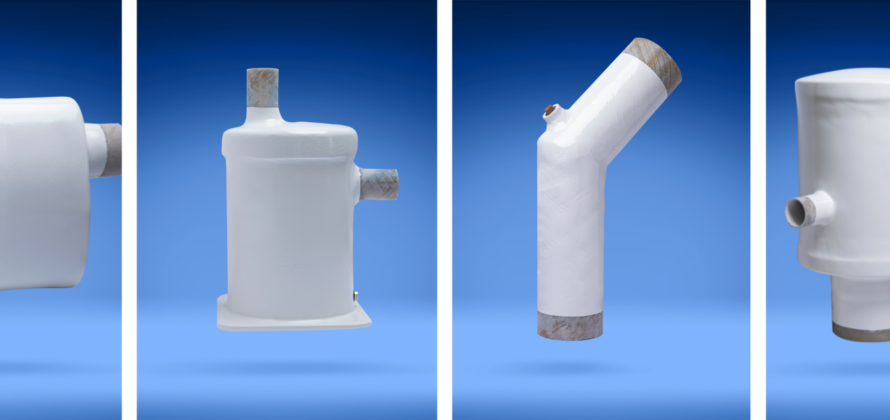
Marine wet exhaust mufflers are widely used in boat wet exhaust systems and marine generator exhaust systems due to their efficiency and compact design.
Dry Exhaust Systems
Dry exhaust systems separate exhaust gases from cooling water and rely on insulation or air gaps for heat control.
Where Dry Exhaust Systems Are Used
- Workboat exhausts: Dry exhaust systems are oftentimes found in commercial workboats, military vessels, towboats, and pushboats, and passenger ferries.
Marine dry exhaust silencers are essential in these systems to manage sound levels effectively.
Core Components of a Marine Engine Exhaust System
Marine Exhaust Elbows and Risers
Marine exhaust elbows connect the engine outlet to the exhaust hose or piping while introducing cooling water.
- Marine exhaust riser design: Raises the exhaust path to prevent seawater backflow into the engine.
- Fiberglass marine exhaust elbows: Lightweight and corrosion-resistant, commonly used in wet systems.Fiberglass exhaust elbows come in various angles and sizes and can be custom configured to fit even tight engine rooms or unique engine layouts.
- Exhaust risers are particularly important in marine exhaust systems in installations where rough seas and wave action increase water ingress risks.
Marine Mufflers and Silencers
Marine mufflers reduce engine and generator noise while maintaining smooth exhaust flow.
- Centek mufflers: Known for water-lift and inline designs used in marine wet exhaust systems.
- Centek marine mufflers: Frequently selected for generator applications requiring quiet operation.
- Marine generator exhaust silencer: Designed to reduce low-frequency noise produced by generators.
A muffler for generator quiet operation is essential on yachts and liveaboard vessels where noise comfort is a priority.
Thru Hull Exhaust Systems
Thru hull exhaust systems discharge exhaust gases directly through the hull, often near or below the waterline.
- Improves aesthetics: Keeps exhaust outlets discreet.
- Reduces noise: Waterline discharge further dampens sound.
- Requires precision installation: Incorrect placement can lead to water ingress or excessive backpressure.
Marine Ventilation Systems and Exhaust Integration
Proper ventilation works alongside marine exhaust systems to control heat and maintain air quality in engine rooms.
Importance of Engine Room Ventilation
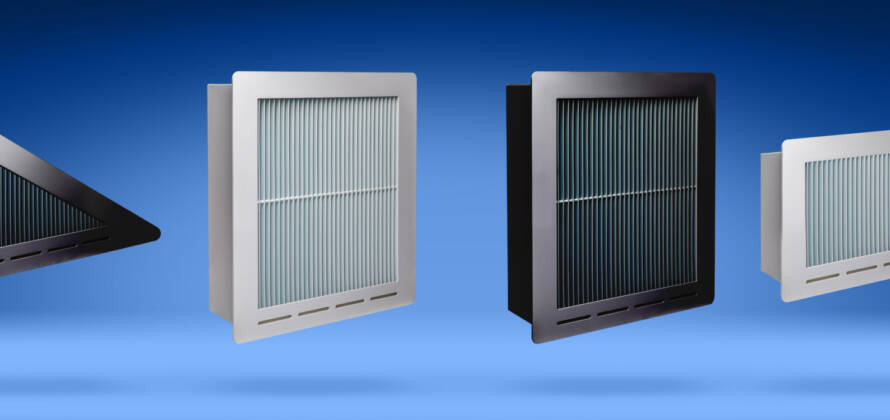
Boat engine ventilation removes hot air, supplies combustion oxygen, and protects electrical systems.
- Marine engine room ventilation: Prevents heat buildup that can damage engines and exhaust components.
- Ventilation control systems: Automatically regulate airflow based on temperature and load.
- Engine ventilation system: Supports consistent engine performance and reduces thermal stress.
Marine Ventilation Fans and Blowers
Marine ventilation fans actively move air through engine spaces.
- Marine blower fan: Commonly used to clear fuel vapors before engine startup.
- Ventilation blowers: Maintain continuous airflow during operation.
- Blower fan for boat: Essential safety equipment in enclosed engine rooms.
A reliable blower fan manufacturer ensures compatibility with marine ventilation systems and regulatory requirements.
Materials Used in Marine Exhaust Systems
Material choice directly affects system lifespan and performance.
- Metal risers and mixing tanks: Offer high durability and corrosion resistance, ideal for custom marine exhaust applications.
- Fiberglass components: Lightweight and suitable for wet exhaust systems with lower surface temperatures.
- Rubber exhaust hoses: Provide flexibility and vibration isolation in boat exhaust systems.
Marine exhaust parts must be carefully matched to operating temperatures and engine output to prevent premature failure.
Performance vs Noise Reduction in Marine Exhaust Design
Balancing engine efficiency with noise control is a primary challenge in exhaust system design.
Performance Considerations
- Backpressure control: Excessive restriction reduces engine power and fuel efficiency.
- Smooth flow paths: Properly-sized marine exhaust reducers and elbows maintain velocity.
- Correct riser height: Prevents water reversion without increasing resistance.
Noise Reduction Strategies
- Wet exhaust mufflers: Water absorbs sound energy effectively.
Comparison of Common Marine Exhaust Configurations
| Exhaust System Type | Noise Reduction | Performance Impact | Typical Applications |
|---|---|---|---|
| Wet exhaust muffler system | High | Low backpressure | Recreational boats, generators |
| Dry exhaust with silencer | Lower | Precise control | Commercial exhausts |
| Thru hull exhaust system | Moderate | Efficient discharge | Performance vessels |
| Custom marine exhaust | Variable | Optimized design | Refits, unique layouts |
This comparison helps exhaust system suppliers and mechanics choose appropriate solutions based on vessel size and usage.
Custom Marine Exhaust Systems
Custom marine exhaust systems are often required when standard components do not fit the vessel layout or performance goals.
When Custom Exhaust Is Necessary
- Engine upgrades: Increased power output requires redesigned exhaust paths.
- Space limitations: Tight engine rooms need custom exhaust elbows and reducers.
- Noise constraints: Charter yachts and superyachts require tailored silencing solutions.
Custom marine exhaust systems installations often account for regional operating conditions and local compliance standards.
Marine Generator Exhaust Systems
Marine generator exhaust systems differ from propulsion exhausts due to continuous operation and noise sensitivity.
Key Design Factors
- Quiet operation: Generator mufflers prioritize sound attenuation.
- Heat management: Smaller spaces require efficient water exhaust mufflers.
- Vibration isolation: Prevents noise transmission through the hull.
Role of Exhaust System Manufacturers and Suppliers
Exhaust system manufacturers develop standardized and custom solutions, while marine supply dealers and boat parts suppliers provide components and support.
- Exhaust system suppliers: Offer compatible parts for repairs and upgrades.
- Ventilation system manufacturers: Coordinate airflow solutions with exhaust layouts.
- Marine supply dealers: Provide access to certified marine exhaust parts.
Reliable sourcing ensures system compatibility and long-term reliability.
Maintenance and Inspection of Marine Exhaust Systems
Regular inspection reduces the risk of failure and onboard hazards.
Routine Checks Include
- Inspect hoses and clamps: Look for soft spots, corrosion, or leaks.
- Check exhaust elbows: Monitor for internal corrosion or blockage.
- Verify ventilation fans: Ensure proper airflow and electrical operation.
Proactive maintenance is particularly important in marine exhaust systems Florida environments due to accelerated wear.
Frequently Asked Questions
1. What is the difference between wet and dry marine exhaust systems?
Marine wet exhaust systems mix water with exhaust gases for cooling and noise reduction, while dry systems rely on insulation and silencers without water contact.
2. How do marine mufflers reduce engine noise?
Marine mufflers use chambers and water flow to absorb sound waves, reducing vibration and airborne noise before discharge.
3. Why is engine room ventilation important with exhaust systems?
Marine ventilation systems remove heat and supply fresh air, preventing overheating and supporting safe exhaust operation.
4. When should a custom marine exhaust system be considered?
Custom marine exhaust systems are ideal when space constraints, performance upgrades, or noise requirements cannot be met with standard components.
Conclusion
Marine exhaust systems are a critical part of vessel design, influencing performance, safety, and onboard comfort. By understanding system types, materials, and noise control strategies, yacht builders and mechanics can make informed decisions that support long-term reliability.
From marine wet exhaust mufflers and exhaust riser design to ventilation blowers and custom marine exhaust elbows, each component plays a role in achieving efficient and quiet operation. A well-designed marine engine exhaust system not only protects the engine but also enhances the overall boating experience.