




Marine Exhaust vs Ventilation Systems: What’s the Difference
Modern boats rely on multiple mechanical systems working together to maintain safety, comfort, and performance. Two of the most commonly misunderstood components are marine exhaust systems and boat ventilation systems. While both involve airflow and engine rooms, they serve very different purposes.
Boat owners researching upgrades often ask whether improving airflow means upgrading exhaust components or installing better ventilation fans. Understanding the difference helps prevent costly mistakes and ensures your vessel meets operational and safety expectations.
This guide explains how marine exhaust systems, boat exhaust systems, and marine ventilation systems work, how they differ, and how to determine what your boat actually needs.
Understanding Marine Exhaust Systems
A marine exhaust system is designed to safely remove engine combustion gases from the vessel. These gases include carbon monoxide, heat, and moisture, all of which must be discharged away from enclosed spaces.
What Does a Marine Exhaust System Do?
Marine exhaust systems channel hot engine gases away from the engine and out of the boat, typically through a thru hull exhaust system. Many recreational vessels use marine wet exhaust systems, where seawater is mixed with exhaust gases to cool them before discharge.
Key functions include:
- Heat reduction
Exhaust gases leaving a marine engine are extremely hot. A wet exhaust muffler or water exhaust muffler cools these gases, reducing fire risk and protecting surrounding components. - Noise control
Components such as centek mufflers, marine silencers exhausts, and marine exhaust silencer tips help lower sound levels. This is especially important for generators and superyachts. - Safe gas discharge
Exhaust systems ensure combustion gases exit away from passengers, cabins, and engine rooms, preventing dangerous buildup.
Common Components of Marine Exhaust Systems
Marine exhaust systems consist of several specialised parts designed for harsh marine conditions.
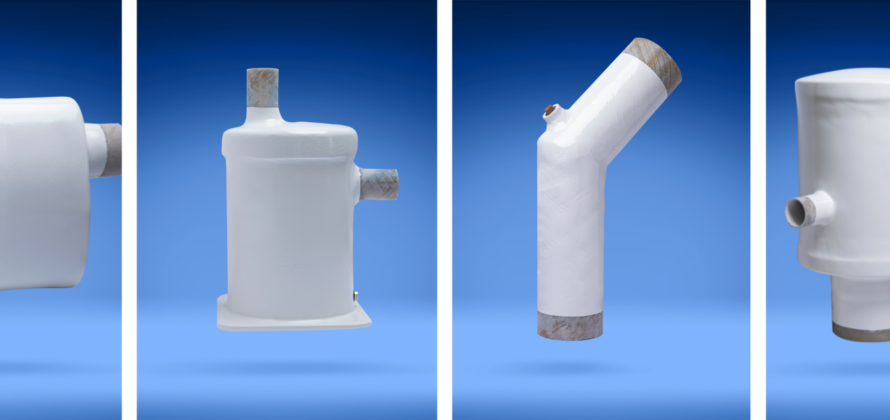
1. Marine exhaust elbows
Marine exhaust elbows change the direction of exhaust flow while managing heat and water injection.
Options include fiberglass marine exhaust elbows, custom marine exhaust elbows, and boat exhaust elbow fittings designed to resist corrosion.
2. Exhaust risers
An exhaust riser elevates exhaust gases above the waterline before discharge.
Proper marine exhaust riser design helps prevent seawater backflow into the engine.
3. Mufflers and silencers
Systems may include marine wet exhaust mufflers, marine dry exhaust silencer, or marine generator exhaust silencer units to reduce sound and vibration.
4. Marine exhaust parts
These include marine exhaust reducers, hoses, clamps, and fittings supplied by experienced exhaust system suppliers and marine supply dealers.
Types of Marine Exhaust Systems
Not all exhaust systems function the same way. The type installed depends on vessel size, engine configuration, and noise requirements.
Wet Exhaust Systems
Marine wet exhaust systems are the most common on recreational boats. Seawater is injected into the exhaust stream to cool gases.
- Advantages
Wet systems reduce heat and noise while allowing flexible hose routing. - Applications
Used in boat wet exhaust systems, marine engine exhaust systems, and marine generator exhaust systems.
Dry Exhaust Systems
Dry exhausts do not mix water with exhaust gases and instead rely on insulation and silencers.
- Advantages
Often used on superyacht exhausts and commercial vessels where long exhaust runs are required. - Noise management
Dry systems rely heavily on marine silencers exhausts and thermal shielding.
Understanding Boat Ventilation Systems
While exhaust systems remove combustion gases, boat ventilation systems manage airflow inside enclosed spaces such as engine rooms, cabins, and bilges.
What Does a Boat Ventilation System Do?
A marine ventilation system supplies fresh air and removes heat, fumes, and moisture from internal spaces.
Primary functions include:
- Engine cooling
An effective engine room ventilation system ensures engines receive adequate oxygen while preventing overheating. - Fume removal
Ventilation reduces fuel vapours and exhaust residue, improving safety and air quality. - Moisture control
Proper airflow helps prevent corrosion and mold in enclosed compartments.
Key Components of Marine Ventilation Systems
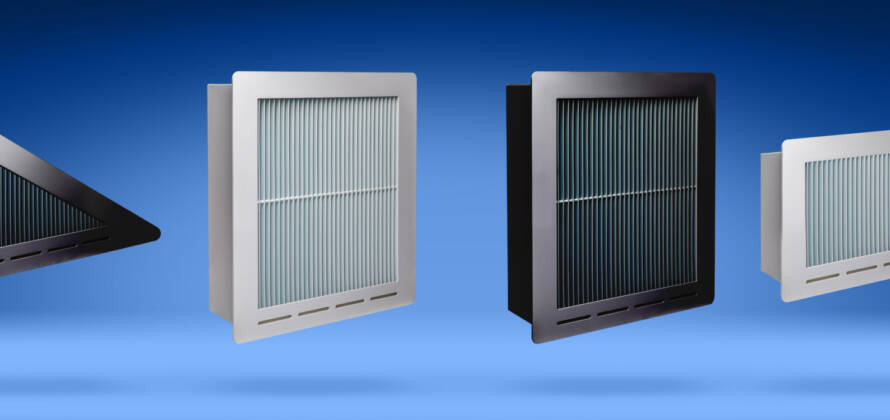
1. Marine ventilation fans
These include marine blower fans, marine vent fans, and boat exhaust fans designed for continuous airflow.
2. Engine ventilation blowers
A blower fan for boat applications removes fuel vapours before engine startup, especially on petrol powered vessels.
3. Ventilation control systems
Advanced setups use ventilation control systems to regulate airflow automatically based on temperature and demand.
4. Ducting and vents
Air ducts and vents guide airflow throughout the engine room and cabin spaces.
Marine Exhaust Systems vs Boat Ventilation Systems
Although both systems move air or gases, their roles are fundamentally different.
Key Differences Explained
| Feature | Marine Exhaust Systems | Boat Ventilation Systems |
| Primary function | Remove combustion gases | Circulate fresh air |
| Connected to engine | Directly connected | Indirect or ambient |
| Heat handling | High temperature gases | Ambient air and fumes |
| Noise control | Mufflers and silencers | Fan noise management |
| Safety role | Reduce temperatures | Reduce vapours and heat |
Why Both Systems Matter on a Boat
Boat owners sometimes focus on one system while overlooking the other. In reality, both systems work together to create a safe operating environment.
Combined Safety Benefits
- Heat reduction
A functioning marine engine exhaust system removes gases and reduces the engine room temperature. - Engine efficiency
Adequate engine ventilation system airflow improves combustion efficiency and reduces thermal stress. - Noise and comfort
Mufflers such as centek marine mufflers reduce sound, while ventilation improves onboard comfort.
When Should You Upgrade Marine Exhaust Systems?
Marine exhaust upgrades may be necessary under several conditions.
Signs an Exhaust Upgrade Is Needed
- Increased noise levels
Loud operation may indicate failing mufflers or undersized exhaust components. - Excessive heat
Heat buildup suggests issues with water injection or muffler performance. - Ageing components
Old hoses, elbows, or risers can crack or corrode, increasing failure risk. - Generator noise
A muffler for generator quiet operation may be required for comfort and compliance.
When Should You Upgrade Boat Ventilation Systems?
Ventilation upgrades focus on airflow efficiency rather than exhaust routing.
Common Upgrade Triggers
- Poor engine room airflow
Engines running hot may need improved marine engine room ventilation. - Persistent fumes
Fuel or exhaust smells indicate inadequate boat ventilation systems. - Outdated fans
Older fans may lack efficiency compared to modern marine ventilation fans. - System expansion
Adding equipment increases airflow demands.
Role of Manufacturers and Suppliers
Choosing components from experienced ventilation system manufacturers, exhaust system manufacturers, and blower fan manufacturers helps ensure compatibility and reliability.
Reliable boat parts suppliers near me and marine supply dealers typically stock:
- Marine exhaust parts and fittings
- Ventilation blowers and marine fans
- Exhaust elbows, risers, and silencers
- Custom marine exhaust solutions
Custom Marine Exhaust and Ventilation Solutions
Some vessels require specialised setups.
When Custom Systems Are Used
- Custom marine exhaust solutions are common for refits, engine upgrades, and space constrained installations.
- Custom marine exhaust elbows allow precise routing in tight engine rooms.
- Large yachts and commercial vessels may integrate advanced airflow control and silencing systems.
How Airflow Control Impacts Performance
Proper airflow control is critical for both exhaust and ventilation systems.
- Exhaust systems rely on smooth flow to prevent back pressure.
- Ventilation systems depend on balanced intake and exhaust airflow.
- Poor airflow design can reduce engine efficiency and system lifespan.
Frequently Asked Questions
1. What is the main difference between marine exhaust systems and ventilation systems?
Marine exhaust systems remove engine combustion gases, while ventilation systems manage airflow inside enclosed spaces to reduce heat and fumes.
2. Do all boats need marine ventilation systems?
Yes. All enclosed engine spaces require some form of engine ventilation system to maintain safety and airflow.
3. Are wet exhaust systems better than dry exhaust systems?
Wet exhaust systems are quieter and cooler, making them common on recreational boats. Dry systems are often used on larger or commercial vessels.
4. Can ventilation fans replace exhaust systems?
No. Marine ventilation fans move air but cannot safely remove combustion gases from engines.
5. How often should exhaust components be inspected?
Marine exhaust parts such as elbows, risers, and mufflers should be inspected regularly, especially in saltwater environments.
Conclusion
Marine exhaust systems and boat ventilation systems serve different but equally important roles onboard. Exhaust systems safely remove combustion gases, often using components like a marine exhaust reducer to ensure proper pipe sizing and smooth exhaust flow, while ventilation systems regulate airflow, heat, and fumes. Understanding how each system functions helps boat owners make informed upgrade decisions, improve safety, and maintain reliable performance.
Properly sized exhaust reducers help prevent back pressure, reduce vibration, and improve overall engine efficiency. Regular inspection of exhaust connections, reducers, and ventilation ducts also minimizes the risk of leaks, overheating, and corrosion. Investing in quality marine grade components ensures long term durability in harsh marine environments.