


Marine Blower Fans Explained: How to Improve Airflow on Board
Understanding marine blower fans is essential for recreational boaters, DIY marine enthusiasts, and vessel owners who want to ensure safe and efficient airflow on board. Proper ventilation reduces the buildup of hazardous fumes, prevents overheating in engine compartments, and improves comfort throughout the vessel.
Marine ventilation systems play a critical role in both safety and performance. They circulate air through confined spaces, disperse heat, and remove fumes generated by engines, generators, and fuel storage areas. Choosing the right blower fan can significantly enhance air quality, protect onboard equipment, and maintain compliance with marine safety regulations.
This comprehensive guide explores marine blower fan components, fan types, installation practices, airflow optimization, safety measures, and maintenance strategies, with a focus on Centek marine ventilation solutions.
What Are Marine Blower Fans and Why They Matter
Marine blower fans are specialized devices designed to move air in engine rooms, bilges, cabins, and fuel storage compartments. They prevent heat accumulation, disperse flammable vapors, and ensure proper air circulation in enclosed spaces.
Unlike household fans, marine blower fans are engineered to withstand humid, wet, and saltwater environments. Their corrosion resistant materials and sealed motors ensure reliable operation under harsh conditions. A well designed ventilation system using high quality fans enhances safety, protects engines, and ensures a comfortable onboard experience for passengers.
Key Components of Marine Ventilation Systems
Marine ventilation systems consist of several interconnected components, each contributing to efficient airflow and overall vessel safety.
Marine Fan Design
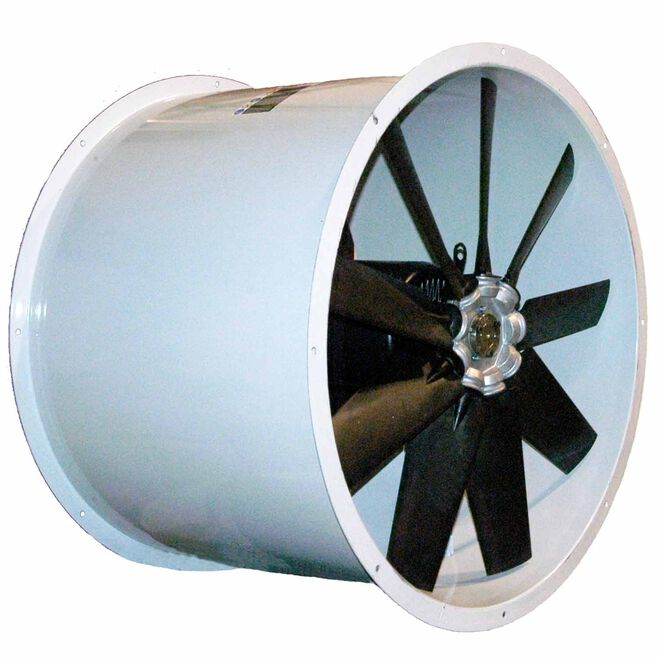
Marine blower fans come in two primary designs: axial and centrifugal. Axial fans move air in a straight line, making them ideal for straightforward ventilation applications. Centrifugal fans generate higher pressure, enabling airflow through longer duct runs or more complex engine compartments.
Durable blades, corrosion resistant housings, and quiet motor designs are key features of high quality fans. The selection process should consider compartment size, airflow requirements, noise tolerance, and installation location.
Boat Exhaust Fans
Boat exhaust fans remove hot air, moisture, and fumes from engine compartments or cabins. They prevent overheating of engines and associated equipment while maintaining breathable air quality for crew and passengers.
Regular inspection and cleaning of exhaust fans, including blades, housings, and ductwork, are necessary for consistent performance. Proper selection, based on CFM ratings and noise levels, ensures safe and efficient airflow.
Blower Fans for Boats
Blower fans specifically designed for fuel compartments ventilate potentially explosive gasoline vapors before engine start up. These fans are critical safety devices that prevent fire hazards in enclosed areas.
Operators can activate the fan using manual or automatic switches. Consistent use of high quality blower fans reduces risk and supports compliance with marine safety regulations, offering peace of mind for all vessel operators.
Ventilation Marine Principles
Effective marine ventilation relies on proper air intake, exhaust, and circulation. Fans must be strategically placed to create a continuous airflow that eliminates stagnant pockets. A well balanced system enhances engine cooling, minimizes odors, and reduces condensation, extending the life of onboard equipment.
Marine ventilation also helps prevent corrosion in cabins and engine compartments. Maintaining a consistent airflow ensures comfort and safety for passengers, even during extended voyages or harsh weather conditions.
Centek Marine Ventilation Fans
Centek is a leading provider of high performance marine ventilation solutions. Their fans are designed for durability, high airflow efficiency, and resistance to harsh marine environments. Models are available for engine compartments, cabins, and fuel storage areas.
Using Centek fans ensures compliance with marine safety standards while offering reliable, quiet, and long lasting operation. Their low maintenance design makes them ideal for both recreational and commercial vessels operating waters.
Choosing the Right Marine Blower Fan
Selecting the correct fan involves evaluating several factors including compartment volume, required airflow, noise tolerance, and environmental exposure.
Airflow Requirements
Airflow is measured in cubic feet per minute (CFM). Larger engine rooms or cabins need higher CFM to ensure effective ventilation. Calculating the total volume of the compartment and considering the operational environment allows for precise fan selection.
Noise and Efficiency
Marine blower fans should provide sufficient airflow while operating quietly. Sealed bearings, optimized blade geometry, and vibration dampening mounts help minimize noise and mechanical wear. Quiet operation improves passenger comfort and reduces stress on sensitive onboard electronics.
Power and Installation
Fans may operate on AC or DC power. Compatibility with the vessel’s electrical system is critical. Proper installation includes accessible mounting locations for maintenance, secure wiring, and minimized vibration to extend fan life.
Safety Features
Many marine blower fans include thermal cut offs, flame resistant housings, and moisture protection. These features enhance safety in fuel compartments and engine rooms, reducing the risk of fire, overheating, or corrosion.
Installation Best Practices
Position fans close to the source of fumes or heat. Intake vents should allow maximum air entry, and exhaust vents should provide a clear exit path. Proper placement ensures efficient airflow and minimizes stagnant zones.
Ducting and Hose Routing
Use corrosion resistant ducting and securely attach hoses. Avoid sharp bends that impede airflow or stress fan motors. Proper routing optimizes ventilation efficiency and prolongs fan life.
Routine Maintenance
Regular inspection of fan blades, housings, and ducting ensures consistent performance. Clean debris and inspect for corrosion or wear. Timely maintenance prevents failure and enhances overall safety.
System Testing
Conduct periodic testing under load to verify airflow, check for unusual noises, and confirm that fans and ducts are functioning as intended. Centek Marine testing ensures fans perform effectively during critical operations.
Optimizing Marine Ventilation Systems
Proper optimization improves safety, performance, and onboard comfort. Key strategies include:
- Using appropriately sized fans for each compartment
- Balancing intake and exhaust systems for continuous airflow
- Installing vibration dampening mounts to reduce noise and wear
- Regularly inspecting electrical connections, hoses, and corrosion prone areas
- Selecting high quality, durable fans such as Centek models for long term reliability
Balanced ventilation protects engines from overheating, prevents accumulation of flammable fumes, and improves air quality for passengers and crew.
Advanced Considerations for Recreational Boaters
Recreational vessels often combine multiple ventilation needs, including engine cooling, cabin comfort, and fuel compartment safety. For such boats, installing multiple fans in a coordinated layout ensures consistent airflow throughout the vessel.
Airflow calculations, fan placement, and ducting design should be based on compartment dimensions, operational temperature ranges, and expected occupancy. Advanced control systems can automate fan operation, adjusting airflow based on temperature or fumes detected.
Where weather conditions and humidity levels can vary widely, fans that resist moisture and corrosion are critical. Centek’s marine ventilation fans are engineered to perform reliably under these conditions, offering both safety and operational efficiency.
Maintenance Tips for Longevity
Effective maintenance prolongs fan life and ensures consistent operation:
- Inspect fans before the start of each boating season
- Clean blades, housings, and ducts to remove debris and salt buildup
- Check electrical connections and ensure corrosion protection
- Verify thermal cut offs and safety features are functional
- Replace worn or damaged components promptly
Routine maintenance not only enhances safety but also reduces long term repair costs and prevents operational downtime.
Conclusion
Marine blower fans are an essential component of safe and efficient boating. From engine compartment cooling to fuel vapor ventilation, fans enhance both performance and passenger comfort.
Selecting high quality fans such as Centek models ensures reliable operation, compliance with safety regulations, and reduced maintenance needs. Proper installation, airflow optimization, and routine inspections are key to maximizing the benefits of marine ventilation systems.
By understanding fan types, airflow requirements, and maintenance strategies, recreational boaters and marine DIY enthusiasts can create safe, comfortable, and efficient onboard environments. If you’re passionate about marine engineering and maintenance, explore career opportunities with Centek Marine
Frequently Asked Questions
Q1: Why are marine blower fans important?
They prevent fume buildup, reduce heat in engine compartments, and improve air quality on board.
Q2: How do I choose the right fan for my boat?
Consider compartment size, required airflow (CFM), noise tolerance, and environmental exposure.
Q3: Can I install a marine blower fan myself?
Yes, with careful planning, correct electrical connections, and adherence to manufacturer guidelines.
Q4: How often should marine ventilation fans be inspected?
Inspect fans at the start of each boating season and after 100 hours of operation.
Q5: What makes Centek marine ventilation fans unique?
They offer corrosion resistant construction, high airflow efficiency, low noise, and compliance with marine safety standards.