

Marine Exhaust Systems Explained: Function, Types & Maintenance
Marine exhaust systems are essential for the safe and efficient operation of any vessel. From small recreational boats to large yachts and commercial ships, these systems remove harmful gases, control engine temperature, and reduce onboard noise.
Without a properly designed and maintained marine exhaust system, engines can overheat, exhaust fumes can build up, and long term damage to critical components may occur. Understanding how marine exhaust systems function helps vessel owners make informed decisions about design, operation, and maintenance.
What Is a Marine Exhaust System?
A marine exhaust system is responsible for removing combustion gases and excess heat from a boat’s engine while preventing water from entering the cylinders. The system also minimizes noise and vibration for a comfortable ride.
Why It Matters
Without a properly functioning exhaust system:
- Engines can overheat and sustain internal damage.
- Carbon monoxide buildup can endanger passengers.
- Corrosion can rapidly deteriorate components.
A well designed exhaust setup not only keeps your engine safe but also contributes to overall vessel efficiency and environmental compliance.
How Marine Exhaust Systems Work
Marine exhaust systems guide combustion gases away from the engine while managing heat and water flow. Most systems also use cooling water to lower exhaust temperatures before discharge.
The basic process includes:
- Exhaust gases exiting the engine through the exhaust manifold
- Cooling water being introduced at the elbow or riser
- The cooled gas and water mixture flowing through the exhaust hose
- Discharge through the outlet above the waterline
This controlled flow prevents backpressure and reduces the risk of water intrusion into the engine.
Key Components of a Marine Exhaust System
Each part of the exhaust system plays a critical role in performance and safety.
1. Exhaust Manifold
The manifold collects exhaust gases from the cylinders and channels them toward the marine exhaust elbow. It must withstand high temperatures and resist corrosion. Marine grade cast iron or stainless steel is commonly used for durability.
2. Exhaust Elbow or Riser
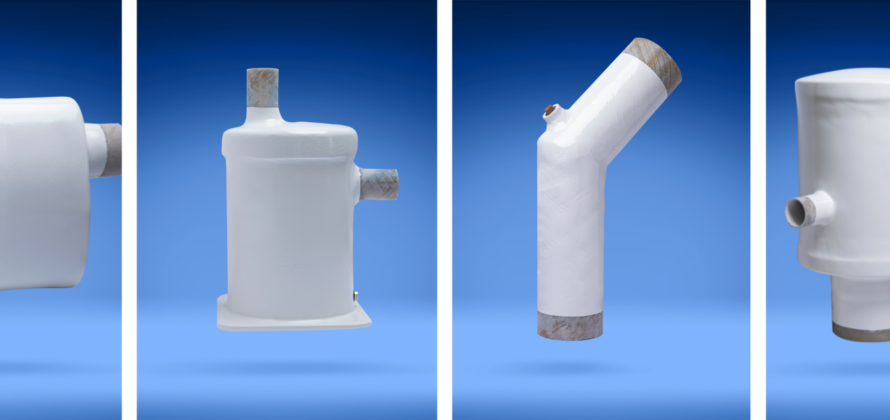
The elbow connects the manifold to the exhaust hose and allows cooling water to mix with the gases. It’s one of the most vulnerable parts to corrosion, especially in saltwater conditions. Periodic inspection and replacement are vital.
3. Flexible Exhaust Hose
This hose carries the cooled gas water mixture to the outlet. It must be strong, flexible, and heat resistant. Marine grade EPDM rubber hoses are preferred for their resistance to UV, oil, and vibration.
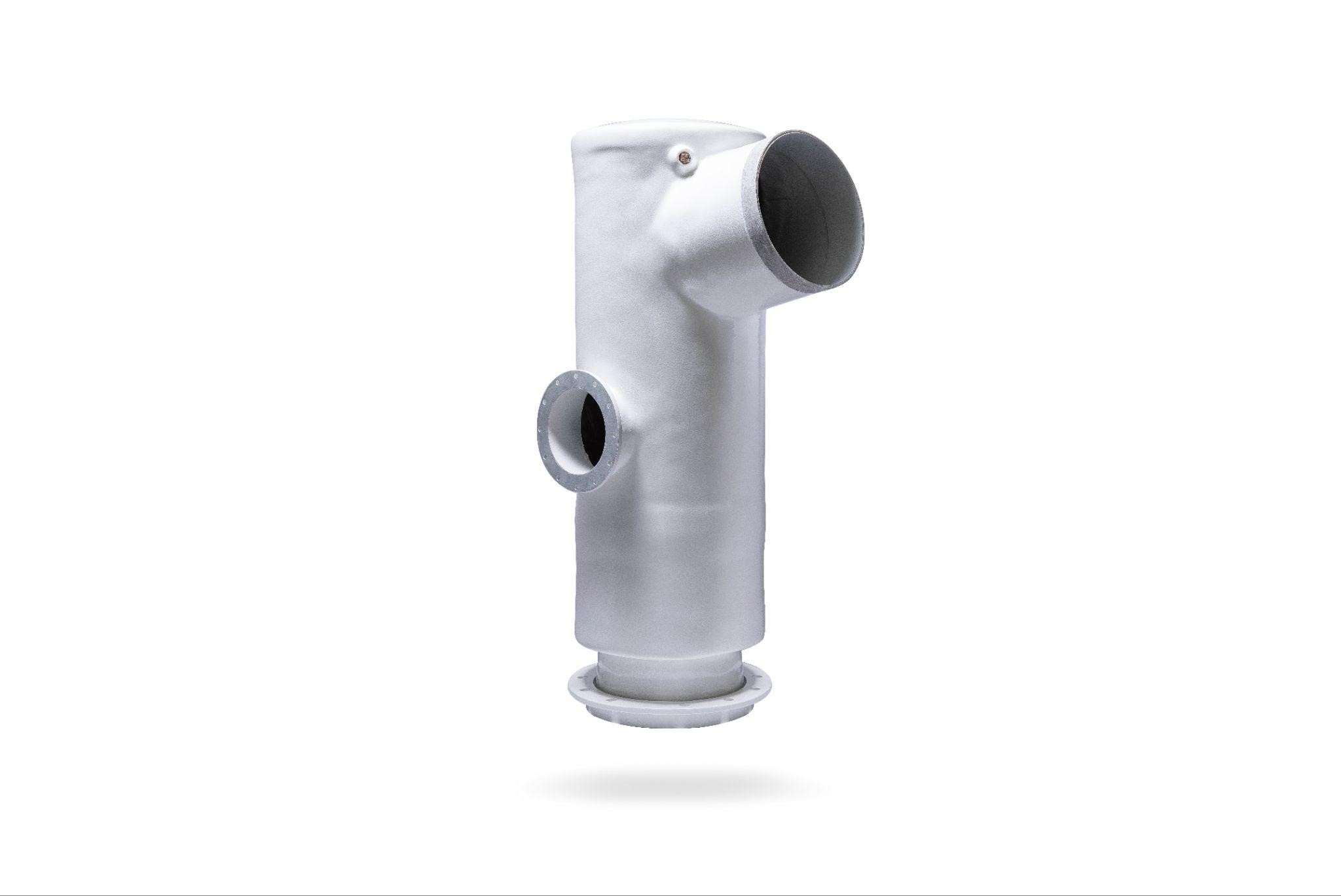
4. Muffler or Waterlock
A muffler reduces exhaust noise and prevents water from backflowing into the engine when the boat is idle or turned off. Waterlocks are particularly useful in wet exhaust systems.
5. Through Hull Outlet
The outlet expels exhaust gases and cooling water into the sea. Its placement above the waterline ensures safety and efficiency, preventing siphoning of water back into the exhaust line.
Types of Marine Exhaust Systems
Wet Exhaust Systems
The most common type, used in recreational boats and yachts. Cooling water from the engine is injected into the exhaust to lower gas temperature.
Advantages:
- Reduces noise
- Compact and lightweight
- Efficient heat control
Disadvantages:
- Risk of water backflow if improperly installed
- Requires corrosion resistant materials
Best for: Diesel and gasoline inboard engines.
Dry Exhaust Systems
Dry systems are used in larger commercial vessels or high performance boats. No water is mixed into the exhaust, and gases are cooled using air or insulation.
Advantages:
- Eliminates water intrusion risk
- Simplifies maintenance
- Excellent for long operational periods
Disadvantages:
- Heavier and louder
- Requires additional heat protection
Best for: Industrial marine engines, generators, and large vessels.
Hybrid Exhaust Systems
A modern innovation combining the best of both wet and dry systems. They use partial water cooling or advanced temperature control to balance performance and quiet operation.
Best for: Custom yachts and modern vessels that prioritize noise reduction and efficiency.
Design Considerations for Efficient Exhaust Systems
When designing or upgrading a marine exhaust system, several technical aspects must be considered:
- Proper Water Injection Point: Prevents water from re entering the engine.
- Riser Height: Must remain above the waterline to reduce backflow risk.
- Backpressure Management: Keeps pressure within manufacturer limits for smooth engine operation.
- Hose Routing: Ensure gradual downward slopes for consistent drainage.
Even small design errors can lead to overheating or engine failure, so expert installation from Centek Marine is strongly recommended.
Common Issues in Marine Exhaust Systems
Even the best systems can develop problems if neglected. Early detection saves costly repairs.
Typical issues include:
- Internal corrosion in risers or elbows
- Blocked water injection points
- Delaminated hoses
- Leaks at joints or clamps
- High backpressure causing reduced power
If your engine is overheating or emitting unusual noise, it’s a sign the exhaust system needs inspection.
Routine Maintenance for Marine Exhaust Systems
Regular maintenance ensures reliable operation and extends lifespan.
Inspection and Cleaning
Inspect all components for rust, cracks, or leaks every few months. Flush the system with fresh water after every saltwater trip to prevent corrosion buildup.
Replace Worn Components
Hoses, gaskets, and clamps wear out over time. Replace them at regular intervals to avoid leaks or bursts.
Temperature Monitoring
Install temperature sensors to detect overheating early. Sudden temperature spikes may indicate blockages or failing water pumps.
Use Anti Corrosion Products
Applying heat resistant coatings or anti corrosion sprays helps protect metal surfaces from salt exposure.
Compliance and Environmental Standards
To ensure environmental safety and legal compliance, exhaust systems must follow standards such as:
- ABYC P 1 for marine exhaust design and installation
- ISO 9097 for small craft exhaust systems
- IMO MARPOL regulations for emissions control
Complying with these ensures your vessel remains safe and eco friendly.
Upgrading Your Exhaust System
If your boat is over ten years old or operates frequently in saltwater, an upgrade could offer major benefits.
Modern upgrades provide:
- Better heat dissipation
- Lower noise levels
- Enhanced corrosion resistance
- Improved fuel efficiency
Modern stainless steel exhaust kits and flexible hose systems are more efficient and lighter than older designs, ensuring smoother operation.
The Impact of Exhaust Systems on Engine Performance
A properly functioning exhaust system supports balanced engine operation. Efficient gas flow and temperature control reduce engine strain, improve combustion, and minimize energy loss.
Neglecting exhaust system maintenance can lead to reduced power output, higher fuel consumption, and shortened engine life.
Conclusion
Marine exhaust systems are a critical part of vessel safety and engine performance. By understanding how these systems work, selecting the right components, and maintaining them regularly, vessel owners can ensure reliable operation and long term durability.
From recreational boats to commercial vessels, proper exhaust system care supports safer voyages, improved efficiency, and greater peace of mind on the water.
Frequently Asked Questions (FAQ)
- What does a marine exhaust system do?
It removes engine gases safely, prevents overheating, and maintains engine efficiency. - What types of marine exhaust systems exist?
Wet exhaust (water cooled) and dry exhaust (non water cooled). - How often should I inspect my exhaust system?
Every 100 engine hours or once per boating season. - What materials are best for exhaust components?
Stainless steel and silicone for durability and corrosion resistance. - How can I prevent corrosion?
Flush with fresh water, use inhibitors, and inspect for leaks regularly.