



How to Maintain Your Marine Exhaust System and Prevent Failures
Maintaining marine exhaust systems is essential for ensuring boat engines operate efficiently and safely. A well-maintained system not only improves engine performance but also reduces the risk of costly failures caused by exhaust leaks, backpressure issues, or saltwater corrosion. From Centek marine mufflers to marine exhaust elbows, each component plays a crucial role in keeping your vessel reliable. This comprehensive guide offers detailed tips, inspection practices, and preventive strategies for marine professionals and boat owners.
Understanding Marine Exhaust Systems
A marine exhaust system safely channels engine exhaust gases out of the vessel while preventing water from entering the engine. Key components include:
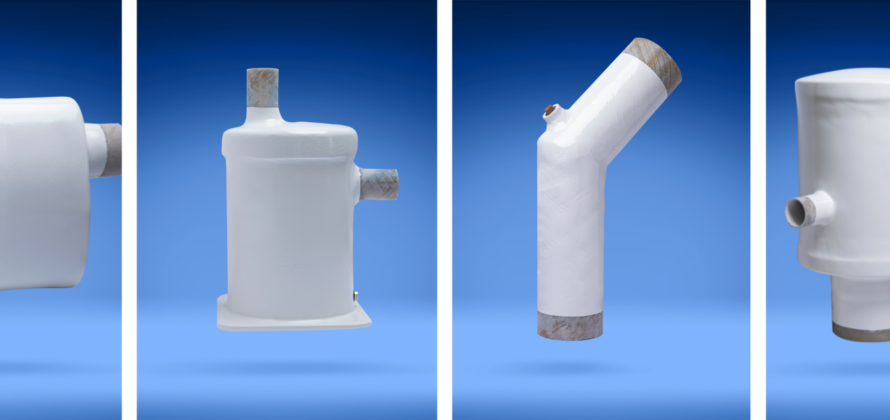
- Centek marine mufflers: These reduce engine noise and vibration, providing a quieter and smoother boating experience while protecting the engine from backpressure.
- Marine exhaust elbows: Designed to direct exhaust flow efficiently, elbows reduce turbulence and prevent strain on hoses and mufflers.
- Wet exhaust mufflers: These mix water with exhaust gases to cool them, preventing overheating and extending muffler life.
- Exhaust risers: Elevating the exhaust exit prevents water from flowing back into the engine, reducing corrosion and damage risks.
- Thru-hull exhaust systems: These provide a safe outlet for exhaust gases through the hull while minimizing noise and vibrations.
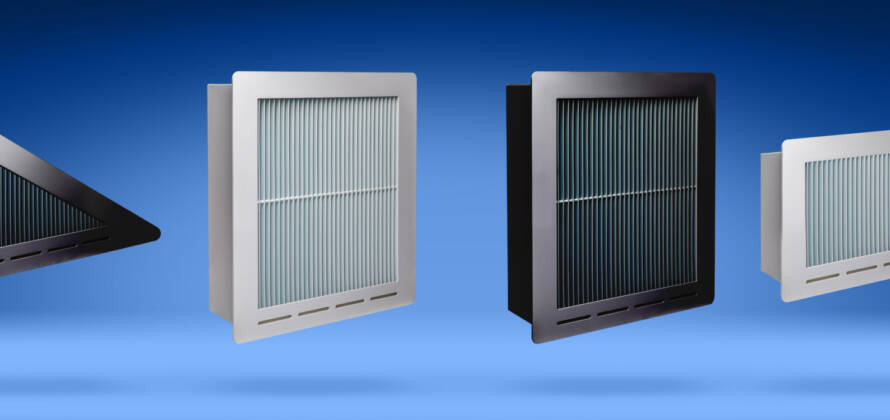
These systems are closely integrated with boat ventilation systems and marine engine room ventilation, which help maintain proper airflow, prevent moisture buildup, and ensure engine components remain cool during operation.
Why Marine Exhaust Maintenance Is Important
Proper maintenance of marine exhaust systems is essential to avoid:
- Exhaust leaks: Leaks can allow harmful gases to enter the engine room or cabin, creating safety hazards and reducing engine efficiency.
- Backpressure issues: Blockages or misaligned components increase backpressure, which can lower fuel efficiency and strain the engine.
- Saltwater corrosion: Marine environments accelerate corrosion, especially in mufflers, elbows, and risers, shortening component life.
- Excessive noise: Damaged or clogged mufflers increase engine noise and can lead to vibration-related damage.
Consistent maintenance ensures longevity of components such as Centek mufflers, marine silencers, exhausts, and fiberglass marine exhaust elbows, keeping vessels safe and performing at peak levels.
Common Problems in Marine Exhaust Systems
Understanding common problems helps prevent major failures.
| Issue | Causes | Symptoms | Solutions |
| Exhaust leaks | Loose clamps, cracked elbows, corrosion | Hissing noises, reduced engine performance | Inspect connections regularly and replace damaged hoses or elbows immediately |
| Backpressure issues | Blocked muffler, kinks in hoses | Engine overheating, decreased power | Clear blockages, maintain proper hose alignment, and ensure smooth bends |
| Saltwater corrosion | Prolonged exposure to saltwater | Rust, pitting on mufflers or elbows | Flush with freshwater, apply anti-corrosion sprays, and use marine-grade materials |
| Exhaust hose deterioration | Age, UV exposure, and mechanical wear | Cracks, leaks, swelling | Inspect hoses frequently and replace at the first signs of damage |
Detailed Maintenance Tips for Marine Exhaust Systems
Maintaining your marine wet exhaust systems requires regular inspections, cleaning, and preventive measures. Here’s a detailed breakdown:
1. Routine Inspections
Inspect Centek marine mufflers, elbows, and hoses at least twice a year.
- Look for corrosion or rust on metal components, including elbows and risers.
- Check clamps and connections to ensure they are secure and leak-free.
- Examine hoses for cracks, swelling, or signs of wear to prevent unexpected failures.
2. Cleaning Underwater Components
Saltwater accelerates corrosion in mufflers and elbows.
- Flush the system with freshwater after each saltwater trip to remove salt deposits.
- Pay special attention to marine wet exhaust mufflers to prevent clogs.
- Clean elbows and risers to ensure smooth exhaust flow and prevent turbulence.
3. Lubrication and Corrosion Prevention
Prevent rust and extend component life using corrosion protection.
- Inspect protective coatings regularly and reapply as necessary for consistent protection.
4. Hose Maintenance
Hoses are prone to wear and tear, which can lead to leaks.
- Examine exhaust hoses for swelling, cracks, or kinks.
- Replace hoses every few years or immediately if any damage is detected.
- Ensure proper alignment to avoid stress points that could cause premature failure.
5. Muffler Care
Mufflers are critical for noise reduction and controlling backpressure.
- Check Centek mufflers for blockages or water accumulation.
- Clean or replace clogged mufflers to maintain quiet and efficient operation.
- Inspect marine silencers exhausts to prevent vibration damage and ensure optimal flow.
7. Generator and Engine-Specific Maintenance
Generators and engines have specific exhaust requirements.
- Clean marine generator exhaust systems and associated silencers regularly.
- Check mufflers for generators quiet operation to maintain low noise levels.???
- Inspect thru hull exhaust systems for leaks and ensure proper water flow to prevent backpressure.
Custom Marine Exhaust Solutions
For vessels with performance or design requirements, custom marine exhaust systems and elbows are common. Maintaining these systems involves:
- Regular inspection of custom marine exhaust elbows and risers for alignment and wear.
- Using corrosion-resistant materials to extend component lifespan.
- Ensuring proper installation to prevent vibration and backpressure issues.
Custom solutions, when maintained correctly, enhance performance and provide quieter, safer operation.
Wet vs Dry Marine Exhaust Systems
Understanding the differences helps with maintenance and system selection.
- Wet exhaust systems: Mix water with exhaust gases, reducing temperature and noise. Ideal for recreational boats, they require regular flushing and inspection to prevent corrosion.
- Dry exhaust systems: Channel gases directly through marine dry exhaust silencers and are often used on commercial vessels where sound attenuation is not as important. Require periodic cleaning and monitoring of backpressure.
Both systems rely on effective marine engine room ventilation to function optimally and prevent overheating.
Choosing the Right Marine Exhaust Parts
Selecting quality components ensures reliability and longevity.
- Centek marine mufflers: Known for durability and quiet operation, reducing engine noise and vibration.
- Fiberglass marine exhaust elbows: Lightweight, corrosion-resistant, and long-lasting.
- Exhaust risers and silencers: Ensure safe gas flow and noise reduction.
- Marine silencers exhausts: Enhance performance while maintaining a quieter engine.
Partnering with reputable exhaust system manufacturers guarantees quality parts and long-term durability.
Preventing Exhaust System Failures
To prevent failures, follow these essential strategies:
- Routine inspections and maintenance: Regular checks allow early detection of wear, corrosion, or misalignment before problems escalate.
- Proper alignment and installation: Misaligned hoses or elbows can increase stress and cause backpressure issues. Ensure components are installed according to manufacturer guidelines.
- Use marine-grade components: Parts like Centek mufflers, fiberglass marine exhaust elbows, and anti-corrosion-treated risers resist the harsh marine environment.
- Flush after saltwater use: Salt buildup accelerates corrosion. Flush with freshwater and clean components to maintain performance.
- Maintain ventilation systems: Proper boat engine ventilation prevents overheating, moisture accumulation, and engine damage. Regularly inspect fans and ducts.
Frequently Asked Questions
- How often should I inspect my marine exhaust system?
Inspect exhaust components at least twice a year, and more frequently if operating in saltwater environments. - What are the signs of a failing marine muffler?
Look for unusual noises, water accumulation in the muffler, corrosion, or reduced engine performance. - Can freshwater flush prevent saltwater corrosion?
Yes. Flushing the system with freshwater after each saltwater trip removes salt buildup and extends the lifespan of mufflers, elbows, and hoses. - How do I prevent backpressure issues?
Regularly inspect hoses for kinks, clean mufflers, and ensure elbows and risers are properly aligned to allow smooth exhaust flow. - Are wet exhaust systems better than dry systems?
Wet systems reduce temperature and noise, making them ideal for most recreational boats, while dry systems suit high-performance engines requiring minimal water contact. - How often should I replace exhaust hoses?
Replace hoses every 3–5 years or immediately if any signs of wear, swelling, or cracking appear. Regular inspections can extend their lifespan. - How do I maintain custom marine exhaust systems?
Inspect elbows and risers for alignment, use corrosion-resistant materials, and flush components regularly to ensure optimal performance and longevity.
Conclusion
Maintaining marine exhaust systems is crucial for safe and efficient boating. Through regular inspections, cleaning, corrosion prevention, and ensuring proper boat ventilation systems, professionals and boat owners can prevent failures, improve engine performance, and extend the life of their vessels. Using high-quality components like Centek marine mufflers, fiberglass marine exhaust elbows, and marine silencers ensures reliable operation, quieter engines, and a safer marine environment. Consistent maintenance not only protects your investment but also guarantees smooth, efficient, and safe operation on the water.