




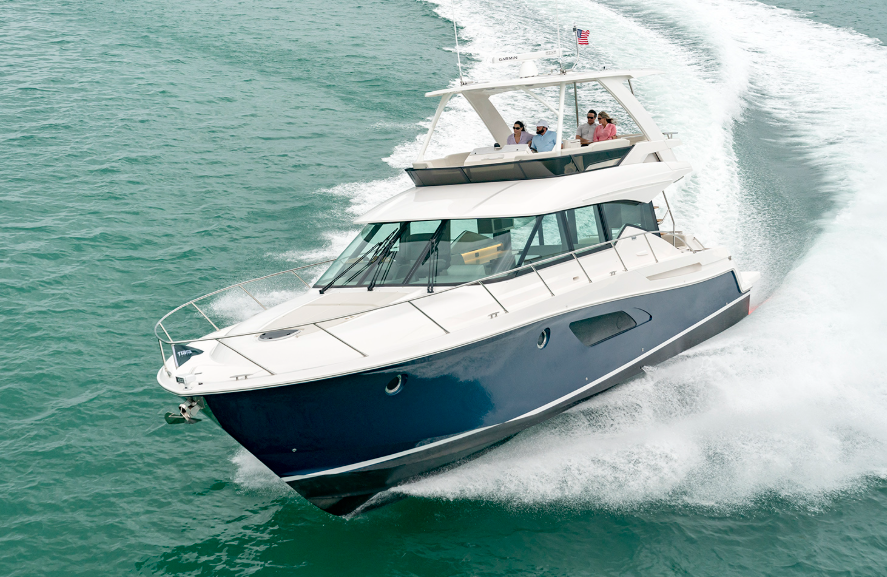
Engine Ventilation Systems: How Proper Airflow Improves Marine Engine Performance
Modern marine vessels rely on a well-designed engine ventilation system. It helps keep engines running within safe temperature and pressure limits. A reliable engine ventilation system does more than reduce heat; it plays a critical role in protecting marine exhaust systems, enhancing fuel efficiency and preventing premature failures caused by restricted airflow.
Marine engineers and mechanics understand that even the most advanced propulsion system cannot operate efficiently without adequate ventilation. Proper management of air intake, bilge ventilation, cooling fans and heat dissipation structures ensures the surrounding environment remains stable enough for engines, generators and exhaust parts to operate as designed. This guide explores how ventilation influences performance, the dangers of poor airflow and how modern systems are engineered for safe, efficient operation.
The Role of Ventilation in Marine Engine Efficiency
Every marine engine requires a continuous supply of oxygen to burn fuel effectively. Without an adequate stream of fresh air, combustion becomes incomplete, temperatures rise, and internal components face unnecessary stress. A well-designed engine ventilation system provides clean air to the engine room while simultaneously removing hot, moisture-laden air created during operation.
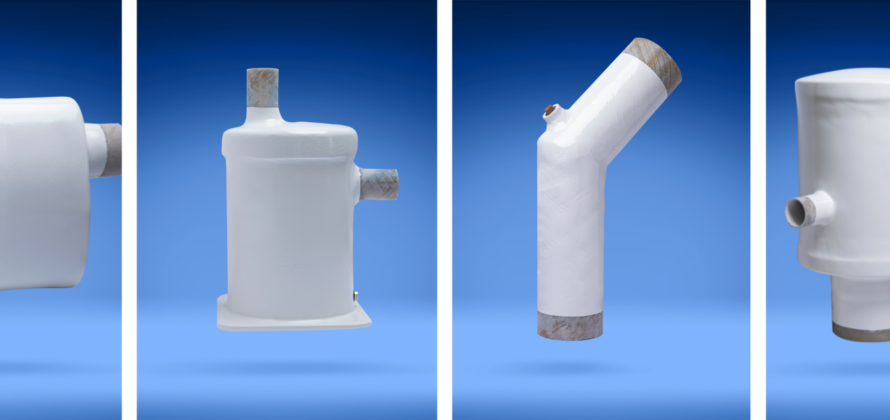
Improper airflow can strain not only the engines but also the marine exhaust systems responsible for transporting harmful gases away from the vessel. Components such as marine wet exhaust mufflers, custom marine exhaust elbows and exhaust risers must operate under stable temperature ranges to avoid moisture buildup, corrosion and backpressure. Ventilation is therefore a foundational part of exhaust system performance.
How Marine Ventilation Systems Work
Marine ventilation systems consist of mechanical and passive components designed to manage airflow throughout the engine room.
Air Intake
Air intake structures draw fresh oxygen from outside the vessel. These openings are strategically placed to prevent saltwater intrusion while ensuring a high volume of clean, dry air enters the space.
Cooling Fans
Cooling fans deliver forced ventilation, moving large quantities of air through confined engine spaces. High-quality marine ventilation fans and blower fans help maintain ideal thermal conditions even under heavy load.
Bilge Ventilation
Bilge ventilation fans remove vapours, heat and moisture from lower compartments. These fans support safe operations by reducing the risk of gas accumulation and ensuring exhaust system fittings remain dry.
Heat Management
Heat management is a continuous process involving ventilation blowers, ducting, louvers and insulation. Without consistent heat removal, marine engines and exhaust components face accelerated wear.
Why Marine Engines Need Proper Ventilation
Proper ventilation is not optional. It directly affects engine output, fuel efficiency, operational safety and service life.
Below are critical reasons ventilation matters:
1. Temperature Control
Adequate ventilation prevents overheating by constantly removing hot air. Engines generate intense thermal loads, and without consistent airflow, temperatures can rise high enough to damage exhaust parts, gaskets and insulation.
2. Reduced Backpressure
Marine exhaust systems perform best with minimal backpressure. Hot, stagnant air increases resistance, making it harder for exhaust gases to exit through systems such as marine exhaust elbows, wet exhaust mufflers and custom exhaust risers.
3. Improved Combustion
Clean air is essential for combustion efficiency. When an engine receives the right oxygen ratio, fuel burns evenly, reducing smoke and ensuring exhaust temperatures remain within safe limits.
4. Protection Against Corrosion
High humidity and heat accelerate corrosion inside exhaust system components. Proper ventilation keeps the environment dry enough to protect mufflers, reducers, fiberglass exhaust elbows and exhaust manifolds.
Key Components of an Engine Room Ventilation System
Different parts work together to maintain airflow consistency. Here are the critical system components and how they contribute to engine performance:
Mechanical Ventilation Fans
Marine blower fans and exhaust fans push stale air out while drawing cool air in. These fans are designed to handle salt-rich environments and constant vibration.
Passive Vent Ducts
Vent ducts allow natural airflow based on pressure differences. Although they require no power, they work best when paired with mechanical fans.
Louvred Vents
Louvred vents prevent rain and spray from entering ventilation channels while still enabling a high airflow rate.
Ventilation Control Systems
Sophisticated control systems regulate airflow automatically, responding to temperature, humidity and pressure changes in the engine room.
How Ventilation Protects Marine Exhaust Systems
Marine exhaust systems, including wet exhaust mufflers, custom marine exhaust solutions, Centek mufflers and thru-hull exhaust systems operate under intense thermal and moisture-related stress. When ventilation underperforms, these systems face three major threats:
Excessive Heat
High temperatures reduce material integrity and lead to early failure in fiberglass marine exhaust elbows, water exhaust mufflers and exhaust risers. Even marine generator exhaust systems experience thermal fatigue when ventilation is insufficient.
Moisture Accumulation
Warm, humid environments promote water vapour condensation. This can cause rapid corrosion inside mufflers, elbows, reducers and other fittings.
Increased Backpressure
When airflow stagnates, exhaust gases cannot dissipate efficiently. The resulting backpressure affects fuel efficiency, restricts engine output and places strain on components such as marine silencers, exhausts and marine dry exhaust silencers.
Benefits of a Well-Designed Ventilation System
Below are key advantages explained in expanded bullet points:
Improved Engine Lifespan
A stable ventilation system reduces thermal stress on moving parts. Steady temperatures protect internal components from surface cracking, lubrication breakdown and accelerated wear caused by overheating.
Enhanced Fuel Efficiency
Cool, oxygen-rich air boosts combustion quality. When engines burn fuel efficiently, they produce more power with less fuel waste, ultimately lowering operational costs.
Safer Engine Room Conditions
Removing hot and contaminated air reduces fire hazards. A properly ventilated engine room maintains better visibility, drier surfaces and a consistent temperature range.
Greater Protection for Marine Exhaust Components
Mufflers, elbows, risers and silencers remain in better condition when not exposed to excessive moisture or heat. This extends maintenance intervals and reduces replacement costs.
Comparison of Ventilation Approaches in Marine Vessels
| Ventilation Type | Advantages | Limitations | Best Applications |
| Passive Airflow | Energy-free, simple, reliable | Limited control, slow response | Small vessels, backup airflow |
| Mechanical Fans | High airflow, consistent temperature control | Requires power, periodic maintenance | Engine rooms, generator rooms |
| Bilge Ventilation | Removes vapour and moisture | Requires separate wiring | Lower deck & bilge compartments |
| Integrated Control Systems | Automated airflow optimisation | Higher installation cost | Commercial vessels, superyachts |
Maintenance Tips for Engine Ventilation Systems
1. Inspect Ventilation Fans Regularly
Fans are the heart of mechanical ventilation. Ensure blades remain free of debris, corrosion and salt buildup to maintain optimal performance.
2. Clean Air Intake Channels
Air intake ducts accumulate dust and salt crystals over time. Regular cleaning ensures the engine receives a continuous flow of fresh, dry air.
3. Check Exhaust Pathways for Blockages
Marine exhaust systems, including thru-hull exhaust components, elbows and mufflers must remain clear to avoid backpressure and overheating.
4. Monitor Temperature Ranges
Use thermal sensors or manual inspections to track engine room temperature. Spikes may indicate failing fans or restricted airflow pathways.
5. Inspect Exhaust Risers and Elbows
Components like marine exhaust elbows, fiberglass elbows and exhaust risers should be checked for cracks, moisture damage or thermal fatigue.
Ventilation Considerations for Advanced Marine Exhaust Systems
Modern marine exhaust systems including custom marine exhausts, Centek mufflers, marine generator exhaust silencers and marine wet exhaust systems, require precise airflow conditions. Superyachts and performance vessels often use advanced components that are sensitive to small fluctuations in temperature or backpressure.
Here are critical factors to consider:
Material Compatibility
Fiberglass, stainless steel and composite exhaust parts each respond differently to heat. Ventilation must be adjusted to protect the weakest material in the chain.
Generator Load
Marine generator exhaust systems run continuously and produce high heat output. Dedicated ventilation fans are recommended to maintain consistent cooling.
Exhaust Riser Height and Design
The performance of an exhaust riser depends partly on the air temperature within the compartment. Proper ventilation reduces condensation and backflow.
Muffler Type
Wet exhaust mufflers generate steam and moisture, while dry silencers produce higher thermal loads. Ventilation requirements vary accordingly.
Frequently Asked Questions
1. Why is engine ventilation important in marine vessels?
Ventilation ensures the engine receives enough clean air while hot air is removed from the room. Without it, engines overheat, exhaust systems corrode and fuel efficiency decreases.
2. What types of fans are used in marine ventilation systems?
Marine ventilation systems typically use blower fans, exhaust fans and cooling fans. These units are designed to withstand saltwater environments and operate continuously.
3. How does ventilation affect marine exhaust systems?
Improper ventilation increases moisture and heat, which can damage mufflers, elbows, reducers and exhaust risers. It also raises backpressure, reducing engine performance.
4. How often should an engine ventilation system be inspected?
Ventilation systems should be inspected at least every 100 engine hours or once every quarter. High-use vessels may require more frequent checks.
5. Do wet exhaust systems require more ventilation?
Yes. Marine wet exhaust systems produce steam and moisture that must be removed to protect surrounding components from corrosion.
Conclusion
A well-designed engine ventilation system is essential for maintaining safe temperatures, steady airflow and long-term marine engine efficiency. Proper ventilation supports cleaner combustion, reduces the risk of overheating, and protects surrounding components, such as marine exhaust systems, exhaust elbows, mufflers, and risers, from early deterioration. By combining effective air intake design, reliable marine ventilation fans and consistent maintenance practices, vessels operate with greater safety, stability and reliability. Whether maintaining a compact engine room or managing the demands of a high-performance superyacht, prioritising ventilation ensures engines and exhaust systems continue to perform at their intended capacity for years to come.