

Complete Guide to Marine Exhaust Systems: Components, Design & Safety
Understanding marine exhaust systems is critical for yacht designers, boat service professionals, and vessel owners. These systems manage high temperature engine gases while integrating water cooling, all within confined spaces. A well designed system reduces backpressure, minimizes noise, and protects both the engine and passengers.
Marine exhaust systems combine mechanical, thermal, and fluid engineering principles to ensure safe and efficient engine operation. From exhaust hose routing to waterlift mufflers, gas/water separation, and cooling systems, each component plays a vital role in overall vessel performance and safety.
This guide explores components, design considerations, installation best practices, and maintenance strategies to optimize marine exhaust systems for all vessel types.
What Are Marine Exhaust Systems and Why They Matter
Marine exhaust systems safely expel combustion gases while cooling them to prevent overheating. They reduce noise, protect engine components, and maintain compliance with safety standards.
Unlike automotive engines, marine engines operate in confined, humid environments with exposure to saltwater. A poorly designed system can lead to corrosion, reduced engine efficiency, or hazardous gas accumulation. Understanding these systems helps designers, service professionals, and vessel owners improve performance, safety, and passenger comfort.
Key Components of Marine Exhaust Systems
Marine exhaust systems consist of multiple critical components. Each part ensures smooth gas flow, reduces noise, and protects engine integrity.
Exhaust Hose Routing
Proper exhaust hose routing is essential for safety and efficiency. Hoses must avoid sharp bends, maintain proper slope, and be constructed from marine grade reinforced materials.
Correct routing minimizes vibration stress, prevents premature wear, and reduces backpressure. Inspect hoses regularly for cracks, soft spots, or corrosion. Well routed hoses ensure that exhaust gases flow smoothly overboard without water entering the engine.
Waterlift Mufflers
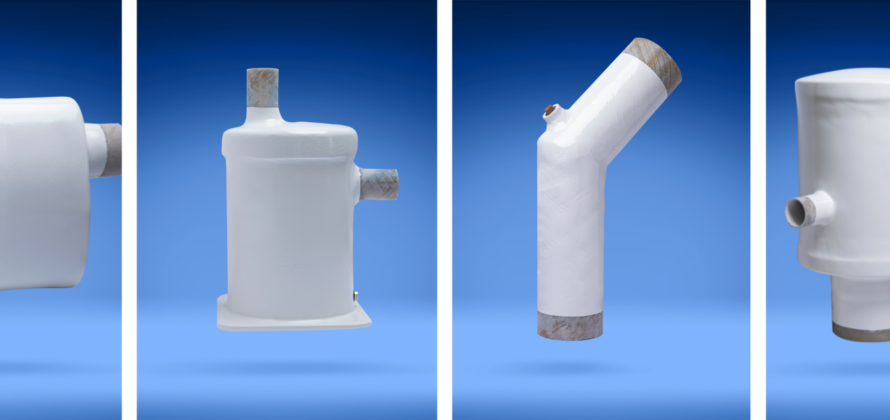
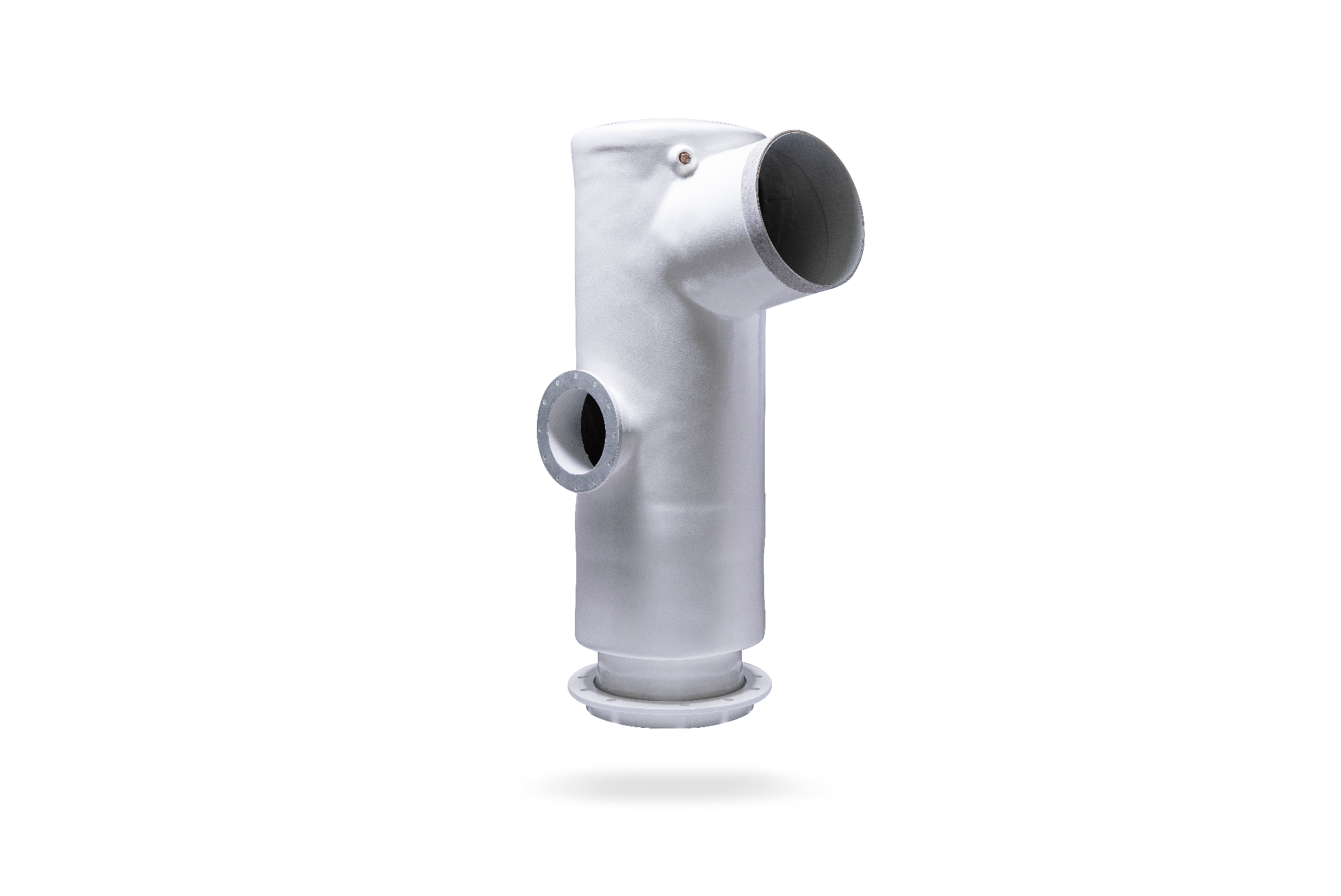
Waterlift mufflers reduce engine noise while preventing water from entering the engine. These devices mix exhaust gases with cooling water in a chamber, absorbing sound and heat.
Regular inspection ensures water chambers are free of debris and hoses are secure. Properly functioning mufflers improve onboard comfort and protect engine components from thermal stress, extending their lifespan.
Gas/Water Separation
Gas/water separation is vital for preventing water from reaching exhaust manifolds or cylinders. Cooling water is often added to reduce exhaust gas temperatures, but effective separation ensures engine protection.
Separation components must be sized appropriately for engine output. Regular inspection and maintenance guarantee efficient separation, preventing corrosion and maintaining engine performance.
Engine Backpressure
Engine backpressure must be monitored to maintain optimal performance. Excessive backpressure can reduce efficiency, increase wear, and cause overheating.
Using correctly sized hoses, risers, and mufflers keeps backpressure within safe ranges. Technicians can measure backpressure during maintenance to ensure engines operate efficiently and safely.
Cooling Systems
Cooling systems integrated with exhaust components dissipate heat, preventing overheating and corrosion. Clear water pathways and properly functioning components are essential for maintaining system performance.
Regular checks of hoses, clamps, and water flow prevent blockages and extend component life. Centek Marine’s well maintained cooling systems support long term engine reliability and efficiency.
Design Considerations for Marine Exhaust Systems
Designing a marine exhaust system requires careful attention to materials, layout, slope, ventilation, and regulatory compliance.
Material Selection
Materials must withstand high temperatures, saltwater, and vibration. Stainless steel, reinforced hoses, and corrosion resistant alloys are preferred for durability. High quality materials reduce maintenance needs and increase system reliability.
Proper Slope and Drainage
Hoses should be installed at a slope that allows water to drain efficiently. Improper slopes can cause water pooling, backflow, or engine flooding. Correct drainage prevents corrosion, prolongs hose life, and ensures smooth operation.
Ventilation and Safety
Ventilation prevents toxic gas accumulation in engine compartments. Proper airflow reduces fire risk and protects crew and equipment. Designers must account for engine placement, compartment size, and airflow to maintain safety.
Maintenance and Inspection
Routine inspections of hoses, clamps, mufflers, and manifolds identify wear, corrosion, or leaks early. Preventive maintenance minimizes downtime, reduces repair costs, and ensures optimal performance.
Regulatory Compliance
Marine exhaust systems must meet ISO standards and local maritime safety regulations. Compliance ensures safe operation, protects vessel owners, and avoids regulatory penalties.
Best Practices for Installation and Safety
In today’s digital landscape, a strong online presence is crucial for business success. Business listings play a key role in helping customers discover your brand, access important information, and engage with your services.
Maximizing business listing effectiveness means more than just adding basic details, it involves optimizing every element, from accurate contact information and compelling descriptions to high quality images and customer reviews. When done correctly, an effective business listing can drive increased visibility, build trust, and ultimately boost both online and offline conversions.
Secure Fastening
Secure all hoses and fittings to prevent vibration damage. Flexible supports reduce stress, and proper torque prevents leaks.
Proper Venting
Exhaust gases should exit above the waterline to prevent backflow and corrosion. Correct venting reduces noise and improves efficiency.
Regular Testing
Testing systems under load identifies issues with backpressure, cooling, or water flow before they become critical problems.
Documentation
Detailed records of installation, inspections, and maintenance support regulatory compliance and simplify troubleshooting.
Continuous Learning
Service professionals and designers should stay updated on new materials, technologies, and safety standards. Ongoing education improves design, installation, and maintenance outcomes.
Additional Tips for Optimizing Marine Exhaust Systems
- Use reinforced marine grade hoses for durability
- Incorporate waterlift mufflers to reduce noise and prevent backflow
- Monitor engine backpressure for peak performance
- Schedule routine maintenance based on engine hours and operating conditions
- Follow manufacturer guidelines for installation and components
Well optimized marine exhaust systems from Centek Marine ensure safe, efficient operation, extended engine life, and a better onboard experience.
Conclusion
A properly designed and maintained marine exhaust system is crucial for safe and reliable engine operation. Hose routing, waterlift mufflers, gas/water separation, and cooling integration all contribute to engine longevity, passenger safety, and compliance with regulations.
Boat designers and service professionals who adhere to best practices, maintain systems regularly, and comply with safety standards ensure optimal performance, reduced risk, and enhanced boating experience. Contact us today to ensure your boat is maintained to the highest standards for safety and performance.
Frequently Asked Questions
Q1: Why is proper exhaust hose routing important?
Proper routing prevents kinks, excessive backpressure, and water backflow, maintaining engine efficiency and safety.
Q2: What does a waterlift muffler do?
It reduces engine noise, cools exhaust gases, and prevents water from entering the engine.
Q3: How does gas/water separation work?
It ensures cooling water and exhaust gases remain separated, preventing engine corrosion and overheating.
Q4: Why monitor engine backpressure?
Excessive backpressure reduces performance, increases wear, and can cause overheating.
Q5: How often should marine exhaust systems be inspected?
Inspection every 100 engine hours or at the start of each season ensures early detection of wear, leaks, or corrosion.