


Boat Exhaust Systems: How They Work and Why Proper Installation Matters
Boat exhaust systems play a critical role in the safe and efficient operation of marine engines and generators. While many boat owners focus on propulsion, fuel efficiency, or navigation systems, the exhaust setup often receives less attention until a problem occurs. Understanding how boat exhaust systems function and why correct installation is essential can help prevent engine damage, carbon monoxide risks, and costly repairs.
This guide explains marine exhaust systems in simple terms, covering components, system types, ventilation integration, and installation considerations. It is designed for recreational boat owners and marine technicians who want clear technical insight without unnecessary complexity.
What Are Boat Exhaust Systems?
Boat exhaust systems are responsible for safely routing engine exhaust gases away from the engine and out of the vessel. Unlike automotive exhausts, marine exhaust systems must operate in wet, corrosive environments while also preventing water from flowing back into the engine.
A typical marine engine exhaust system manages three key tasks:
- Directing exhaust gases safely out of the boat
- Reducing engine and generator noise
- Preventing seawater intrusion into engine components
Modern marine exhaust systems are used across a wide range of vessels, from small recreational boats to superyacht exhausts and commercial marine platforms.
How Boat Exhaust Systems Work
The Basic Exhaust Flow
In most boats, exhaust gases exit the engine through exhaust manifolds or marine exhaust elbows. From there, gases move through exhaust hoses and mufflers before exiting via a thru hull exhaust system.
In wet exhaust systems, cooling water is injected into the exhaust stream to lower temperatures and reduce noise. This water and gas mixture is then discharged safely overboard.
Types of Marine Exhaust Systems
Wet Exhaust Systems
Marine wet exhaust systems are the most common choice for recreational vessels. These systems mix cooling water with exhaust gases, lowering temperatures and allowing the use of flexible exhaust hose materials.
Boat wet exhaust systems are widely used in inboard engines, outboard engines, and marine generator exhaust systems.
Dry Exhaust Systems
Dry exhaust systems do not mix water with exhaust gases. Instead, they rely on insulated piping and marine dry exhaust silencer components to manage heat and noise.
Dry systems are more common in larger vessels, industrial applications, and some custom marine exhaust designs where routing water is impractical.
Key Components of Marine Exhaust Systems
Exhaust Manifolds and Elbows
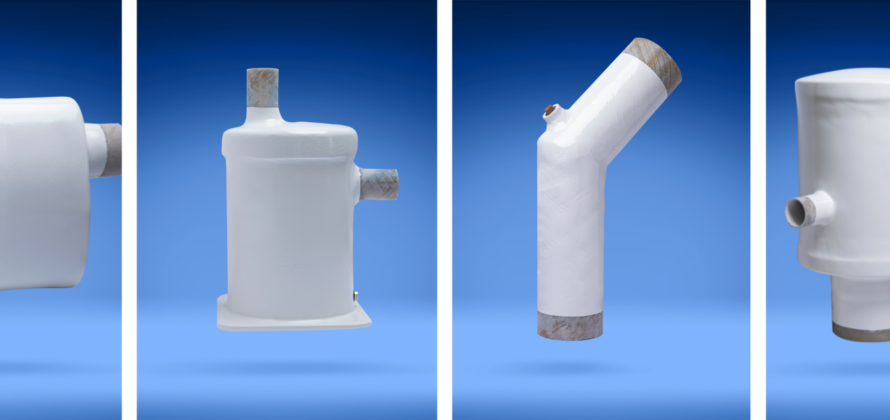
Marine exhaust manifolds collect exhaust gases directly from the engine. Marine exhaust elbows, including fiberglass marine exhaust elbows, change the direction of exhaust flow and often serve as the injection point for cooling water.
Custom marine exhaust elbows are often required in tight engine rooms or unique installations.
Exhaust Risers
An exhaust riser elevates the exhaust path above the waterline before gases exit the vessel. Proper marine exhaust riser design is critical for backflow prevention and engine safety.
Exhaust Hoses and Reducers
Exhaust hoses connect components and allow flexibility in routing. A marine exhaust reducer may be used when transitioning between different hose or pipe diameters.
Mufflers and Silencers
A water exhaust muffler reduces noise while allowing exhaust gases and water to pass freely. Options include wet exhaust mufflers, marine wet exhaust mufflers, and marine silencers exhausts.
Some systems use a marine generator exhaust silencer or muffler for generator quiet operation, especially in enclosed spaces.
Thru Hull Exhaust Outlets
The thru hull exhaust system safely discharges exhaust gases and cooling water outside the vessel. Placement and sealing are critical to avoid water intrusion.
Table: Common Marine Exhaust System Components and Functions
| Component | Function | Installation Considerations |
|---|---|---|
| Exhaust manifold | Collects exhaust gases from engine | Must match engine specifications |
| Marine exhaust elbow | Redirects exhaust flow and injects water | Requires corrosion resistant materials |
| Exhaust riser | Prevents water backflow | Height relative to waterline is critical |
| Exhaust hose | Transfers exhaust gases and water | Must meet temperature and pressure ratings |
| Wet exhaust muffler | Reduces noise and vibration | Proper sizing prevents backpressure |
| Thru hull exhaust | Discharges exhaust overboard | Needs watertight sealing and correct placement |
Why Proper Installation Matters
Preventing Backflow and Engine Damage
Incorrect exhaust hose installation or poorly designed risers can allow seawater to flow backward into the engine. Backflow prevention is one of the most important safety functions of marine exhaust systems.
Carbon Monoxide Safety
Improperly installed marine exhaust systems increase the risk of carbon monoxide buildup. This is especially dangerous in enclosed cabins and engine rooms.
Engine Performance and Longevity
Excessive backpressure caused by incorrect muffler sizing or poor routing can reduce engine efficiency and increase wear on exhaust manifolds and elbows.
The Role of Ventilation in Exhaust System Safety
Boat exhaust systems work in conjunction with boat ventilation systems to manage heat and fumes inside the engine room.
Engine Room Ventilation Systems
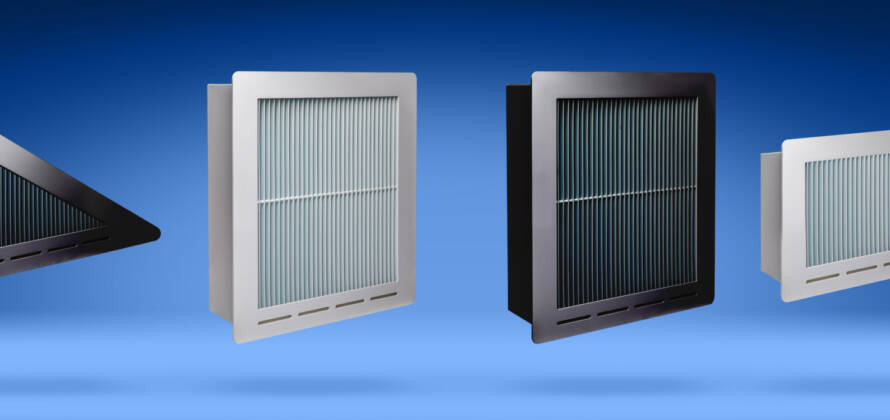
A marine engine room ventilation system supplies fresh air and removes hot air and fumes. This supports proper combustion and reduces heat stress on components.
Ventilation Fans and Blowers
Marine ventilation fans, blower fans for boats, and marine engine blowers help move air efficiently. Ventilation blowers are particularly important during engine startup and after shutdown.
Integrated Ventilation Control Systems
Modern vessels may use ventilation control systems to automatically regulate airflow based on engine temperature and operating conditions.
Exhaust Systems for Marine Generators
Marine generator exhaust systems require special attention due to extended run times and enclosed installation spaces. A marine generator exhaust silencer helps control noise while maintaining safe exhaust flow.
Using the correct water exhaust muffler and ensuring proper ventilation marine design reduces vibration and heat buildup around generator units.
Custom and Regional Exhaust System Considerations
Custom Marine Exhaust Designs
Custom marine exhaust solutions are often required for repowers, space constraints, or specialty vessels. These systems may incorporate custom exhaust elbows, reducers, and silencers to fit unique layouts.
Regional Installation Practices
Marine exhaust installations often consider higher humidity, salinity, and temperature variations. Material selection and corrosion resistance are especially important in these environments.
Common Installation Mistakes to Avoid
- Undersized exhaust hoses that increase backpressure
- Incorrect exhaust riser height leading to water intrusion
- Poor sealing at thru hull exhaust outlets
- Inadequate engine room ventilation
- Mixing incompatible exhaust parts from different manufacturers
Working with experienced marine supply dealers and boat parts suppliers helps ensure compatibility and safety. When custom systems are needed, utilizing a single manufacturer for design and manufacture of all marine exhaust components reduces risk and complexity.
Maintenance and Inspection Best Practices
Routine inspection of marine exhaust parts helps identify early signs of wear or corrosion.
Key areas to inspect include:
- Exhaust elbows for internal corrosion
- Exhaust hoses for soft spots or cracks
- Mufflers for leaks or blockages
- Ventilation fans and blower motors
Preventive maintenance reduces the likelihood of system failure while underway.
Choosing Exhaust System Components
When selecting components from exhaust system manufacturers or exhaust system suppliers, compatibility with engine specifications and system layout is more important than brand recognition.
Marine exhaust systems should always meet marine safety standards and manufacturer recommendations.
Frequently Asked Questions
1. What is the difference between wet and dry marine exhaust systems?
Wet exhaust systems mix cooling water with exhaust gases to reduce heat and noise. Dry systems rely on insulated piping and silencers without water injection.
2. Why are exhaust risers important in boat exhaust systems?
Exhaust risers elevate the exhaust path above the waterline, preventing seawater from flowing back into the engine during shutdown or heavy seas.
3. How often should marine exhaust components be inspected?
Most marine exhaust parts should be inspected annually, with hoses and elbows checked more frequently in high temperature or high salinity environments.
4. Can poor ventilation affect exhaust system performance?
Yes, inadequate boat engine ventilation can increase engine room temperatures and concentrate exhaust fumes, increasing safety risks.
Final Thoughts
Boat exhaust systems are more than just a pathway for engine gases. They are an integrated safety system that protects engines, passengers, and onboard equipment. Understanding how marine exhaust systems work, selecting appropriate components, and ensuring correct installation all contribute to safer and more reliable boating experiences.
Whether maintaining an existing setup or planning a new installation, careful attention to exhaust design, ventilation integration, and routine inspection remains essential for long term performance and safety. Ready to ensure your boat’s exhaust system is safe and efficient? Contact us for guidance on installation, maintenance, and best practices.