


A Shipyard’s Guide to Engine Room Dampers: A60 Fire Safety vs Standard Systems
Proper ventilation is one of the most critical aspects of ship design and maintenance. For marine vessels, particularly in the engine room ventilation system, ensuring safety and efficiency depends on specialized dampers that regulate airflow. Among these, A60 fire rated dampers and standard dampers play distinct roles in protecting ships and supporting overall functionality.
This guide explores the differences between the two, explains why ventilation is so vital for marine operations, and helps shipyards, operators, and engineers make informed decisions when choosing between boat ventilation systems.
Why Marine Ventilation Systems Are Essential
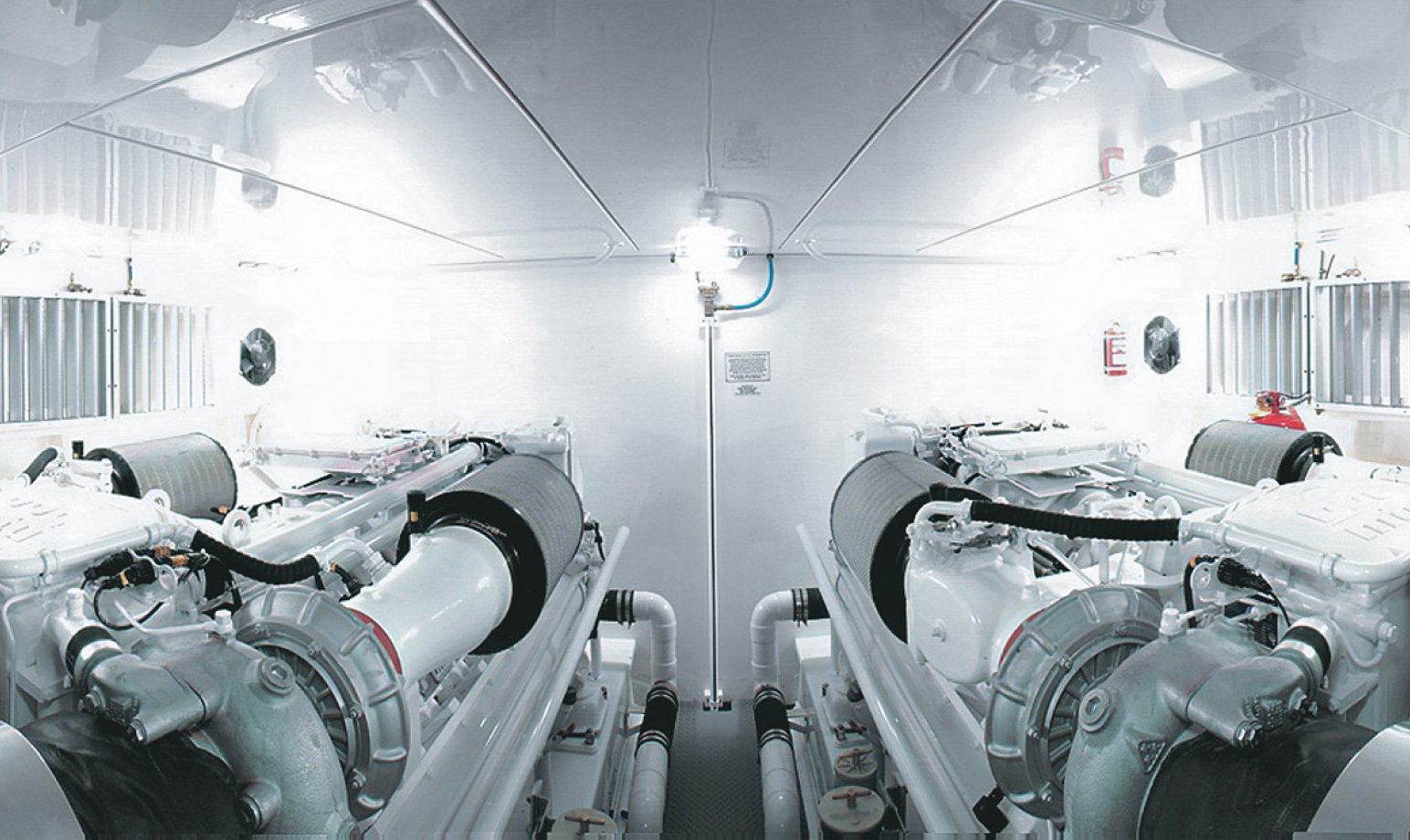
A vessel’s engine room is its powerhouse, where high temperatures, fuel, and machinery converge. Without proper marine engine room ventilation, several risks can arise:
- Overheating of machinery: Engines and auxiliary equipment require a steady flow of cool air to perform efficiently.
- Fire hazards: Accumulation of heat and combustible vapors can create dangerous conditions.
- Air quality issues: Crews working near the engine room depend on safe oxygen levels and controlled airflow.
- Corrosion risks: Poor ventilation can trap moisture, leading to equipment damage over time.
This makes marine ventilation systems more than just an operational requirement, they are a frontline safety measure. Explore more about marine ventilation systems here.
The Role of Dampers in Marine Ventilation Systems
Dampers regulate airflow within boat ventilation systems, balancing pressure, temperature, and air distribution. In a ship’s engine room, these dampers perform key roles such as:
- Allowing intake of fresh air for combustion.
- Controlling exhaust and heat removal.
- Preventing the spread of fire and smoke in emergencies.
- Maintaining compliance with international safety regulations.
Two main types dominate the industry: A60 fire safety dampers and standard dampers.
Engine Room Lighting: Enhancing Safety and Visibility
In addition to ventilation, engine room lighting plays a vital role in maintaining a safe and efficient marine environment. Proper illumination ensures that operators can monitor equipment, identify leaks or hazards, and perform maintenance tasks with precision.
Key Aspects of Effective Engine Room Lighting:
- High lumen output: Ensures visibility even in dense or low-ventilation spaces.
- Heat and vibration resistance: Lighting fixtures must withstand engine room conditions and mechanical vibrations.
- Energy efficiency: LED lighting reduces power consumption while maintaining brightness.
- Emergency lighting integration: Provides illumination during power outages, supporting evacuation or repair efforts.
Together with efficient ventilation systems and A60 fire dampers, well-designed engine room lighting contributes to overall operational safety and compliance.
What Is an A60 Fire Safety Damper?
The A60 classification refers to a damper that can withstand fire for 60 minutes without structural failure, based on international standards.
Key Features of A60 Dampers
- Constructed from fire resistant materials.
- Equipped with automatic closing mechanisms to seal the engine room in case of fire.
- Certified to block flames and hot gases for at least one hour.
- Designed to meet SOLAS (Safety of Life at Sea) requirements.
These dampers are installed in high risk areas, especially the marine engine room as part of the ventilation system, where fires are more likely to start.
What Is a Standard Ventilation Damper?
Standard dampers are widely used in marine ventilation systems where fire protection is not the primary concern.
Key Features of Standard Dampers
- Designed mainly for airflow control, not fire containment.
- More affordable and lightweight compared to A60 dampers.
- Require less maintenance and are easier to install.
- Commonly found in accommodation spaces, storage areas, and non-critical zones.
While effective for general ventilation, they do not provide the same level of fire resistance as A60 dampers.
A60 Dampers vs Standard Dampers: A Comparison
| Feature | A60 Fire Safety Damper | Standard Ventilation Damper |
| Fire Resistance | Withstands 60 minutes of fire exposure | Not designed for fire resistance |
| Primary Use | Engine rooms, machinery spaces, high risk areas | Accommodation and general spaces |
| Cost | Higher due to fire rated materials | Lower and cost effective |
| Maintenance | Requires periodic testing and servicing | Minimal maintenance needs |
| Compliance | Meets SOLAS and IMO safety codes | Meets airflow requirements only |
This comparison highlights why ventilation system manufacturers provide both options, each has a specific role depending on the vessel’s requirements.
Regulations Governing Marine Ventilation Systems
International maritime safety codes dictate the use of fire rated equipment in certain areas of a ship. Notably:
- SOLAS Chapter II 2 requires that ventilation systems in engine rooms be fitted with A60 dampers.
- IMO Guidelines specify design and testing standards for fire dampers.
- Classification Societies (such as ABS, DNV, and Lloyd’s Register) enforce compliance through inspections.
Shipyards and operators must ensure that their engine room ventilation system meets these regulatory requirements.
Best Practices for Shipyards When Choosing Dampers
When designing or upgrading boat ventilation systems, shipyards should consider the following:
- Risk Assessment: Identify which areas require fire rated protection.
- System Integration: Ensure dampers work seamlessly with fans, ducts, and controls.
- Material Selection: Use corrosion resistant metals suited to marine conditions.
- Compliance Check: Verify that chosen dampers meet international standards.
- Supplier Reliability: Partner with trusted ventilation system manufacturers who provide certified products.
Maintenance and Inspection of Marine Ventilation Systems
Even the best systems require upkeep. Shipyards and operators should follow a structured maintenance routine:
- Monthly Checks: Verify damper operation and alignment.
- Quarterly Testing: Activate fire dampers to ensure automatic closure.
- Annual Inspections: Review compliance with classification society requirements.
- Documentation: Maintain records for regulatory inspections.
Regular inspections ensure that marine engine room ventilation systems remain both functional and compliant.
Conclusion
For shipyards and marine engineers, the choice between A60 fire safety dampers and standard dampers is more than a technical decision, it is a matter of safety, compliance, and operational reliability. While A60 dampers are indispensable for engine room ventilation systems, standard dampers still have their place in non critical areas.
By understanding the differences and aligning with international regulations, shipyards can ensure their vessels operate safely and efficiently. For more guidance or tailored solutions, feel free to contact us today.
Frequently Asked Questions (FAQ)
1. Why are A60 dampers required in engine rooms?
A60 dampers are required because engine rooms are high risk areas for fire. They provide at least 60 minutes of fire protection, preventing the spread of flames and smoke.
2. Can I use standard dampers in the engine room?
No, international safety codes such as SOLAS require A60 fire rated dampers for engine room ventilation. Standard dampers do not meet fire safety requirements.
3. Who regulates marine ventilation systems?
Marine ventilation systems are regulated by the International Maritime Organization (IMO), SOLAS regulations, and classification societies like ABS, DNV, and Lloyd’s Register.
4. How often should ventilation dampers be inspected?
Dampers should be inspected monthly for functionality, tested quarterly, and thoroughly reviewed annually to ensure compliance and safety.
5. What role do ventilation system manufacturers play?
Manufacturers design and certify dampers to meet safety and performance standards, ensuring shipyards and operators have reliable components for their vessels.