


Choosing the Right Marine Exhaust Elbows and Hoses for Your Engine Type
Marine exhaust systems play a crucial role in keeping engines safe, cool, and efficient. Among the most important components of these systems are marine exhaust elbows and flexible exhaust hoses. Although often overlooked, these parts directly affect engine performance, cooling efficiency, and onboard safety.
Choosing the correct exhaust elbows and hoses for your engine type helps prevent overheating, reduces the risk of exhaust gas leaks, and supports long term reliability. Whether you are fitting a new vessel or upgrading an existing system, understanding how these components work will help you make better technical decisions.
Understanding Marine Exhaust Systems
A marine exhaust system safely removes hot exhaust gases from the engine while controlling temperature and preventing water from entering the engine. In most vessels, exhaust gases are cooled using seawater before being discharged overboard.
Key Components of a Marine Exhaust System
- Exhaust manifold
Collects exhaust gases from the engine cylinders. - Exhaust elbow or riser
Directs exhaust flow and introduces cooling water to reduce temperature. - Flexible exhaust hose
Transfers cooled exhaust gases and water safely out of the vessel.
Each component must withstand high temperatures, pressure, vibration, and constant exposure to a corrosive marine environment.
What Are Marine Exhaust Elbows?
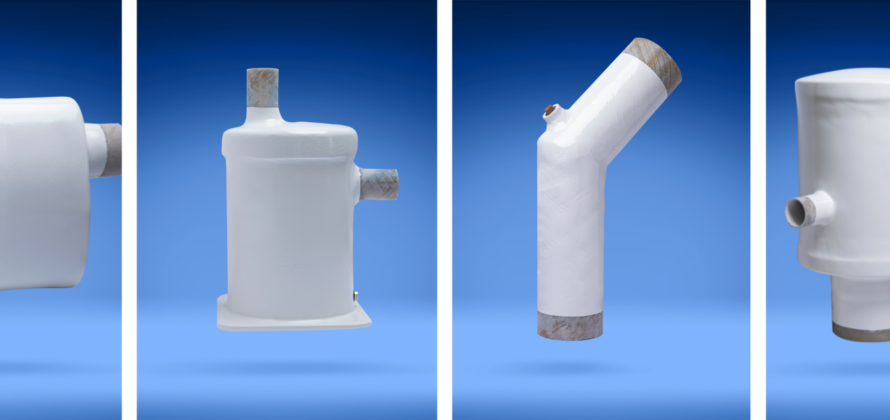
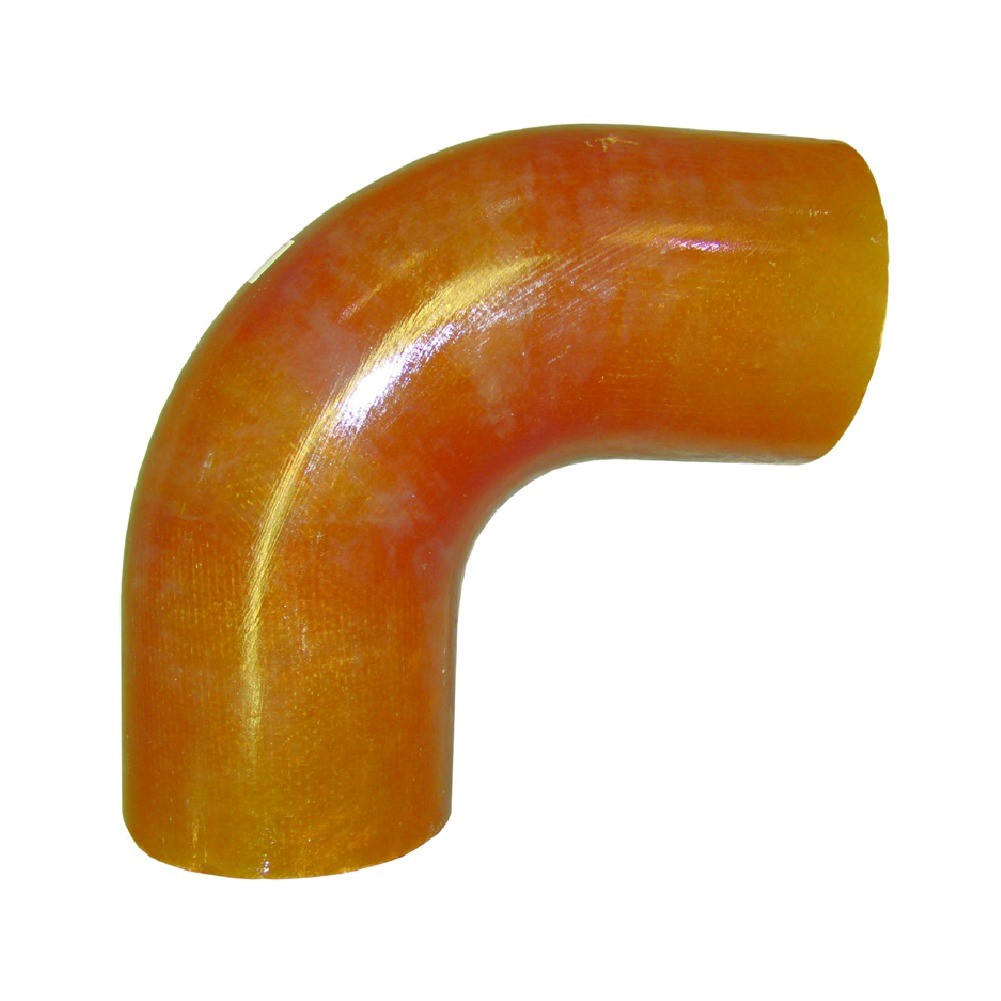
Marine exhaust elbows, also known as risers, connect the exhaust manifold to the exhaust hose. Their main function is to mix cooling water with hot exhaust gases before they exit the engine system.
This mixing process reduces exhaust temperature and helps prevent heat damage to hoses and surrounding components.
Key Functions of Exhaust Elbows
- Controls engine operating temperature
- Prevents water backflow into the engine
- Reduces noise and vibration
- Directs exhaust gases safely out of the vessel
When exhaust elbows corrode or fail, they can cause serious problems such as overheating, water ingestion, or carbon monoxide leaks. Proper selection and maintenance are essential for safe operation.
Types of Marine Exhaust Elbows
Choosing the right type of elbow depends on your engine’s cooling system, installation space, and performance needs.
1. Cast Iron Exhaust Elbows
- Commonly used on diesel engines.
- Durable and cost effective.
- Suitable for freshwater environments.
- Downside: prone to corrosion in saltwater.
2. Stainless Steel Exhaust Elbows
- Corrosion resistant and ideal for saltwater applications.
- Lightweight with a longer lifespan.
- Maintains structural integrity under high temperature.
- Tip: Choose 316 grade stainless steel for marine durability.
3. Custom Fabricated Risers
- Built to specific engine or space constraints.
- Ideal for yacht builders and refit projects.
- Can integrate insulation or dual wall cooling designs.
Flexible Marine Exhaust Hoses: What to Consider
Flexible exhaust hoses carry cooled exhaust gases and water from the elbow to the outlet. These hoses must handle heat, vibration, and movement without leaking or collapsing.
Important Features to Consider
- Temperature rating
Marine exhaust hoses should be rated for continuous high temperature operation. - Reinforcement
Wire reinforced or double wall hoses provide added strength and prevent collapse. - Material quality
EPDM rubber or silicone materials resist heat, saltwater, and UV exposure. - Correct diameter
Proper sizing prevents backpressure and supports efficient exhaust flow. - Bend flexibility
Hoses should bend smoothly without kinking or restricting airflow.
Common Mistakes to Avoid
- Using automotive hoses instead of marine grade materials.
- Incorrect clamp installation causing leaks.
- Over bending, which restricts flow and increases engine temperature.
Matching Exhaust Components to Your Engine Type
Different engine configurations require tailored exhaust solutions to handle varying temperatures and flow rates.
1. Diesel Engines
- Generate higher exhaust temperatures and backpressure.
- Require stainless steel risers and heavy duty hoses.
- Wet exhaust systems are preferred for temperature control.
2. Gasoline Engines
- Produce lower exhaust temperatures.
- Can use rubber or composite hoses.
- Dry or semi wet systems may suffice in smaller boats.
3. Inboard vs. Outboard Systems
- Inboard: More complex layouts; elbows and risers must be engineered for limited engine room space.
- Outboard: Simpler exhaust paths; flexibility and corrosion resistance are still critical.
Installation Guidelines for Optimal Performance
Improper installation can quickly shorten the lifespan of exhaust components.
Best Practices
- Maintain proper elevation of exhaust elbows above the waterline to prevent backflow.
- Use marine grade clamps (preferably 316 stainless).
- Secure hoses without sharp bends or contact points.
- Regularly inspect gaskets and connections for corrosion.
- Ensure adequate ventilation in the engine compartment.
A certified marine technician at Centek Marine should verify backpressure and cooling efficiency after installation to ensure optimal system performance and longevity.
Maintenance Tips: Extend the Life of Your Exhaust System
Even the best materials require maintenance to perform reliably.
Inspection Checklist
- Check elbows for rust, pitting, or internal scaling.
- Examine hoses for soft spots, cracks, or delamination.
- Replace clamps and gaskets every 2–3 years.
- Flush saltwater systems regularly to prevent mineral buildup.
- Schedule annual engine and exhaust checks by a professional.
A small leak or blockage can lead to engine failure or exhaust gas hazards if neglected.
Technical Insights: How Exhaust Elbows Impact Cooling Efficiency
The mixing point in the exhaust elbow is crucial for maintaining safe exhaust temperatures.
- Too early water injection: Can cause condensation and corrosion.
- Too late water injection: Can lead to overheating.
Engineers must calculate the ideal mixing distance based on exhaust temperature, pipe diameter, and flow rate to balance cooling and safety.
Modern yachts often feature thermostatically controlled exhaust cooling systems that automatically adjust flow to optimize temperature management.
Compliance and Safety Considerations
Marine exhaust systems must comply with standards like:
- ABYC P 1 (Marine Exhaust Systems)
- ISO 9097 (Small Craft – Engine Exhaust Systems)
- IMO MARPOL Annex VI (Emission Control)
Adhering to these standards ensures not only performance but also environmental and safety compliance.
When to Replace Marine Exhaust Elbows or Hoses
Signs that replacement is overdue include:
- Visible corrosion or cracks on the elbow.
- Exhaust leaks or backpressure warnings.
- Excessive vibration or overheating.
- Engine exhaust odor inside the cabin.
Replacing parts proactively reduces the risk of water ingestion or engine damage.
Conclusion
Choosing the right marine exhaust elbows and hoses for your engine type is essential for reliable operation, efficient cooling, and long term safety. Stainless steel risers paired with flexible, marine grade exhaust hoses ensure resistance to corrosion, vibration, and temperature extremes.
By following manufacturer specifications, complying with marine standards, and conducting regular maintenance, yacht builders and marine suppliers can deliver systems that perform safely and efficiently in all conditions. Contact us today to discuss your vessel’s exhaust system needs and ensure peak performance, safety, and compliance on every voyage.
FAQs
- How often should marine exhaust elbows be replaced?
Typically every 5 to 7 years, depending on usage and whether the vessel operates in saltwater. - What material is best for marine exhaust elbows?
316 grade stainless steel offers excellent corrosion resistance for marine environments. - Can automotive hoses be used for marine exhaust systems?
No. Only marine grade exhaust hoses are designed to handle heat, water, and safety requirements. - How can water backflow into the engine be prevented?
Installing exhaust elbows above the waterline and using anti siphon valves helps prevent backflow. - What are early signs of exhaust system problems?
Overheating, exhaust smells inside the vessel, and increased engine noise can indicate issues.